

How to brighten teeth safely: UK whitening guide
- 11 minutes ago
- 11 min read
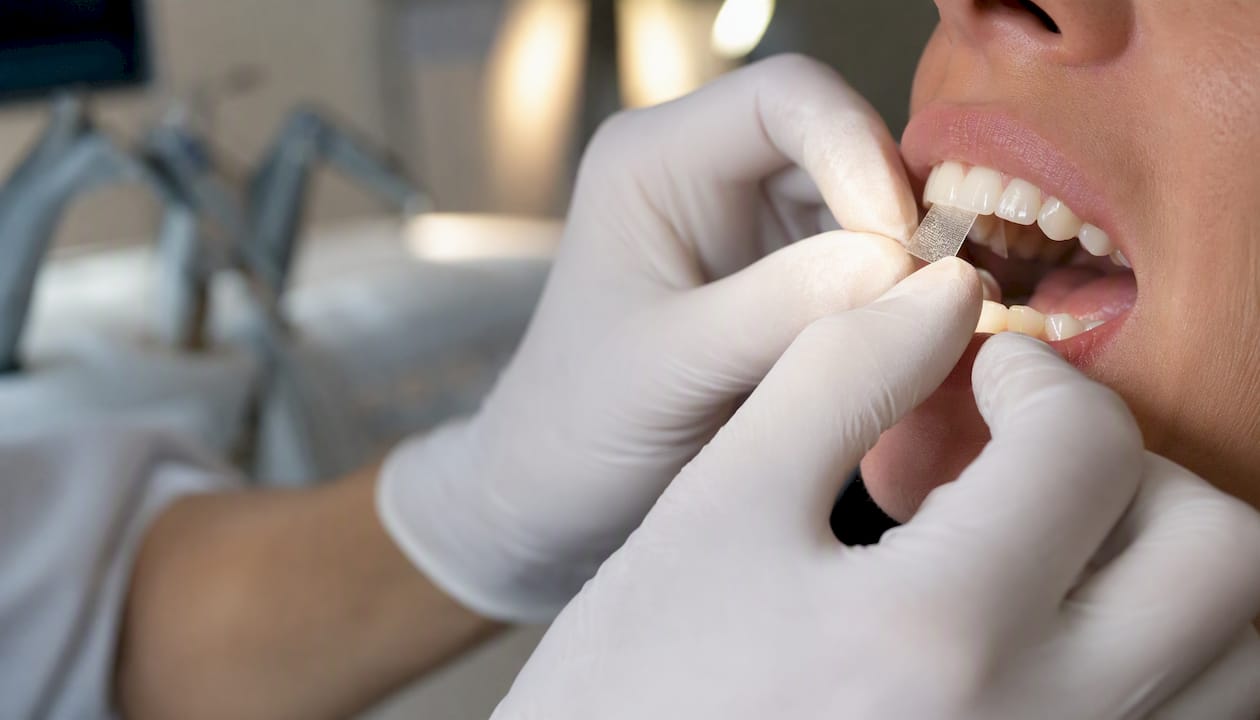
The quickest safe route to a shiny smile is a dental assessment followed by either a dentist-supervised whitening course or a regulated home product. Before you spend a penny on strips or powders, a quick check with your dentist confirms whether your enamel, gums and any existing restorations are ready for treatment. Once you have that green light, your options range from in-surgery laser whitening to gentle at-home routines you can start this week.
Your safest starting points:
Book a dental check-up to rule out decay, gum disease or unsuitable restorations before whitening.
Consider professional in-surgery whitening or dentist-supplied take-home trays for the most controlled results.
Choose a UK-supplied, regulated home kit (strips, PAP powder or an enamel-care routine) if you prefer to start at home.
Follow a daily maintenance routine to preserve your results and protect enamel long-term.
Pro Tip: If your teeth are sensitive before you start, flag it to your dentist. Sensitivity is manageable, but starting with a gentler formula (such as a PAP-based product rather than high-peroxide bleach) can make the whole experience far more comfortable.
Key takeaways
Safe, effective teeth whitening in the UK starts with a dental assessment and a regulated product or professional treatment matched to your sensitivity level and staining type.
Point | Details |
Assessment before treatment | A dental check-up confirms your enamel and gums are ready and identifies unsuitable cases. |
UK regulation matters | Only buy from UK-compliant suppliers; professional whitening must be carried out by a GDC-registered practitioner. |
Method affects results | In-surgery whitening produces faster, more dramatic change; PAP-based home products offer gentler, gradual brightening. |
Results need maintenance | Whitening results commonly last months to a couple of years; daily brushing, diet choices and hygiene appointments extend them. |
NuTan® home options | NuTan® stocks PAP+ powder, NuSmile V34 strips and the Nusmile Enamel Care Kit as UK-available, enamel-friendly choices. |
Table of Contents
How does teeth whitening actually work?
Teeth whitening, or tooth bleaching, is the process of lightening the natural colour of your teeth without removing any tooth surface. The industry distinguishes between two distinct mechanisms, and understanding both helps you choose the right product.
Bleaching uses peroxide-based agents (hydrogen peroxide or carbamide peroxide) that penetrate the enamel and break apart the chromogen molecules responsible for intrinsic staining. This produces a genuine, lasting shade change.
Surface stain removal works differently. Ingredients such as phthalimido peroxy caproic acid (PAP), nano-hydroxyapatite (nHA), and mild abrasives lift extrinsic stains from coffee, tea and tobacco without chemically bleaching the underlying dentine. PAP in particular is gaining traction as a peroxide-free alternative that causes less sensitivity.
Shine is also a matter of surface texture. Smooth, well-mineralised enamel reflects light evenly, producing that glossy appearance. Products containing nHA or fluoride help remineralise micro-pores in enamel, which improves both protection and perceived brightness. So a genuinely shiny smile depends on two things: a lighter shade and a smooth, healthy surface.
Where can you get teeth whitening in the UK?
Teeth whitening is a cosmetic procedure and is not generally available on the NHS. Most people access it privately or through regulated home products.
The NHS position: “Teeth whitening is a form of dentistry and should only be carried out by a dentist or another regulated dental professional, such as a dental hygienist or dental therapist, on the prescription of a dentist.”
Your realistic UK options:
Private dentist or dental clinic: In-surgery whitening (LED or laser-activated) and custom take-home trays fitted and prescribed by a registered professional. You can verify any provider on the GDC’s online register before booking.
Dentist-prescribed home trays: Custom-fitted trays with a dentist-supplied gel, used at home over one to two weeks. Combines professional oversight with the convenience of home use.
Regulated OTC home products: Strips, PAP powders and enamel-care kits sold by UK-based retailers. These must comply with UK cosmetic product regulations and stay within the legal peroxide limit for consumer products.
Beauty salons and non-dental practitioners offering whitening treatments are operating outside the law in the UK. The General Dental Council is explicit that tooth whitening must be carried out by appropriately registered dental professionals, and warns consumers against unregistered providers.
What types of whitening treatment are available?
In-surgery whitening (LED or laser)
A dentist applies a high-concentration peroxide gel directly to your teeth, then activates it with an LED or laser light, similar to the professional workflows shown at Integrative Dental Of Denver. A single session typically lasts around one hour and can produce a noticeable shade change in one visit.
Dentist take-home trays
Custom impressions are taken at the practice, and you receive trays fitted precisely to your teeth along with a prescription-strength gel. You wear them for a limited period daily, or overnight depending on the formula, usually over about one to two weeks.
OTC strips, gels and powders
Consumer products available without a prescription. Strips adhere directly to teeth; gels are applied with a brush or tray; powders are used with a toothbrush. Results are more gradual but can be meaningful with consistent use.
Comparison at a glance
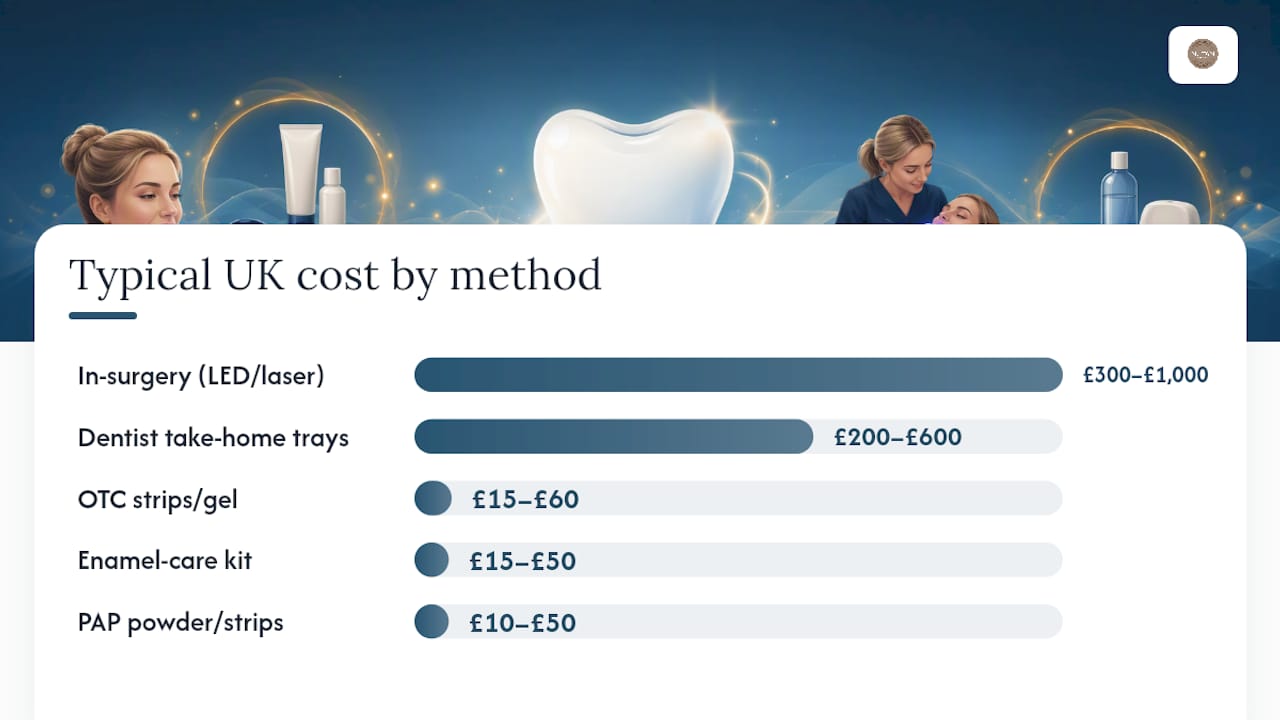
Method | Safety profile | Typical UK cost | Time to visible result | Suitable for crowns/veneers? |
In-surgery (LED/laser) | High (dentist-supervised) | £300–£1,000 | 1 session | No shade change on restorations |
Dentist take-home trays | High (dentist-prescribed) | £200–£600 | 1–2 weeks | No shade change on restorations |
OTC strips/gel (low peroxide) | Moderate (follow instructions) | £15–£60 | 2–4 weeks | No shade change on restorations |
PAP powder/strips | Good (peroxide-free) | £10–£50 | 2–6 weeks | Safe to use; no shade change |
Enamel-care kit (nHA/fluoride) | Excellent (remineralising) | £15–£50 | Gradual shine improvement | Safe to use alongside restorations |
Pro Tip: Crowns, veneers and composite bonding do not respond to peroxide or PAP. If you have visible restorations, whiten your natural teeth first, then discuss matching new restorations with your dentist.
[
What happens during each type of treatment?
In-surgery session
Your dentist carries out a pre-treatment assessment, checking gum health and noting any restorations.
A protective barrier (rubber dam or gel) is applied to your gums.
The whitening gel is painted onto your teeth in one or more applications.
An LED or laser light activates the gel for a set period (usually 15–20 minutes per application).
The gel is removed, and your dentist reviews the shade change and advises on aftercare.
Dentist take-home trays
Impressions of your teeth are taken at the practice to create custom-fitted trays.
You collect the trays and a prescription gel, with written instructions on quantity and wear time.
Apply a small amount of gel to each tray compartment and wear as directed, typically once daily for one to two weeks.
Return for a follow-up appointment so your dentist can assess the result and check for sensitivity.
OTC routine (strips, powders or trays)
Read the full product instructions before starting; check the ingredient list and confirm the product is UK-compliant.
Brush and floss before application to remove surface debris.
Apply strips or powder as directed, keeping product away from gum margins where possible.
Rinse thoroughly after the recommended contact time; do not eat or drink for 30 minutes.
Use consistently for the full recommended course; do not extend beyond the stated duration without a dental review.
What are the side effects and who should avoid whitening?
Most people tolerate whitening well, but side effects do occur, particularly with peroxide-based products.
Common side effects:
Tooth sensitivity, especially to cold, during and shortly after treatment.
Gum irritation or temporary blanching if the gel contacts soft tissue.
Temporary uneven appearance around crowns or veneers, which usually resolves as natural teeth settle.
The Dental Health Foundation advises: “If you have sensitive teeth, gum disease, worn enamel, cavities, or exposed roots, you should speak to your dentist before using any whitening product.”
Who should avoid or delay whitening:
Under-18s: whitening is generally not recommended for children and teenagers, as enamel is still developing.
Pregnant or breastfeeding: the precautionary advice is to postpone whitening until after pregnancy and breastfeeding.
Active gum disease or untreated decay: these must be resolved before any whitening treatment begins.
Extensive restorations in visible areas: a dentist review is needed to manage shade-matching expectations.
Stop treatment and contact your dentist if you experience persistent pain, blistering of the gums, or a sharp uneven change in colour that does not resolve within a day or two.
How much does whitening cost in the UK, and how long do results last?
Typical UK cost ranges:
In-surgery (LED/laser): £300–£1,000 depending on the clinic and number of sessions.
Dentist take-home trays: £200–£600, including the custom trays and gel supply.
OTC strips and gels: £15–£60 for a full course.
PAP powders and enamel-care kits: £10–£50.
Results vary considerably by method, starting shade and lifestyle. Professional in-surgery whitening typically produces the most dramatic change, while OTC products offer a more gradual brightening.
On longevity: results from professional whitening commonly last anywhere from several months to a couple of years, depending on diet, oral hygiene and tobacco use. OTC results tend to be shorter-lived without regular maintenance.
Factors that shorten results include frequent consumption of coffee, tea, red wine and dark-coloured foods, as well as smoking. Factors that extend them include consistent daily brushing, regular professional hygiene appointments and periodic use of a maintenance product.
How do you keep teeth shiny after whitening?
Maintaining your results is where most people fall short, and it requires less effort than the whitening itself.
Daily routine:
Brush twice daily for two minutes using a soft-bristled brush and a non-abrasive whitening toothpaste. Look for formulas containing fluoride or nHA for remineralisation alongside any brightening agents.
Floss or use interdental brushes once daily to remove plaque from between teeth, where staining often starts.
Consider a fluoride or nHA mouth rinse as a final step, particularly if your enamel feels sensitive.
Diet and lifestyle adjustments:
Coffee and tea are the most common culprits for re-staining. Drinking through a straw or rinsing with water immediately after reduces contact time with enamel.
Red wine, berries, tomato-based sauces and soy sauce all contribute to surface staining over time.
Tobacco, whether smoked or chewed, causes deep intrinsic staining that no OTC product can fully reverse.
Professional maintenance:
A hygienist appointment every six months removes tartar and surface staining that brushing alone cannot address.
Ask your dentist about periodic top-up treatments, particularly if you use dentist-supplied trays, as a short refresh course is usually more cost-effective than a full repeat treatment.
The Nusmile Enamel Care Kit is designed as part of an ongoing maintenance routine, supporting enamel health between whitening courses.
Pro Tip: Wait at least 48 hours after any whitening treatment before consuming staining foods or drinks. The enamel is temporarily more porous immediately after bleaching, making it more susceptible to re-staining during this window.
How do you choose a safe home whitening product in the UK?
Not all home whitening products are equal, and the UK market includes both well-formulated options and products that fall short on safety or efficacy.
Your buying checklist:
Confirm the product is sold by a UK-based retailer and complies with UK cosmetic product regulations.
Check the ingredient list: PAP (phthalimido peroxy caproic acid), nHA and low-level peroxide (up to 0.1%) are the ingredients with the clearest safety and efficacy profiles for consumer use.
Look for an RDA (Relative Dentine Abrasivity) value if you are choosing a powder or toothpaste; lower RDA means less abrasive wear.
Avoid products with no ingredient disclosure, no UK supplier information, or claims that seem disproportionate to what consumer-grade products can legally achieve.
Matching product to your needs:
Sensitive teeth or first-time user: a PAP-based powder or strip is the gentler starting point, as it avoids peroxide-related sensitivity entirely.
Moderate staining, want visible results within a month: NuSmile V34 Whitening Strips offer a straightforward strip-based course with colour-correcting action. More detail on the V34 approach is available in the NuSmile V34 colour-correcting gel guide.
Surface stain removal and daily brightening: the NuTan Pap+ Teeth Whitening Powder is a UK-available PAP-based powder designed for surface stain removal and colour correction, used with a toothbrush as part of your daily routine.
Post-whitening maintenance and enamel support: the Nusmile Enamel Care Kit is positioned for ongoing enamel health, making it a sensible companion to any whitening course.
What do NHS and GDC guidance say about whitening?
The UK regulatory picture is clear and worth knowing before you book or buy.
The NHS confirms that teeth whitening is cosmetic and not generally provided on the NHS; it is obtained privately or through home products.
The GDC’s guidance on tooth whitening and illegal practice states that whitening must be carried out by appropriately registered dental professionals, and warns consumers against using unregistered providers.
The Dental Health Foundation recommends checking product ingredients and seeking dental advice for significant staining or if you have existing restorations.
What a responsible dentist should do before whitening: assess your oral health, identify any contraindications, obtain informed consent, explain realistic outcomes, and provide written aftercare instructions.
A responsible dentist will also:
Record your baseline shade before treatment begins.
Advise on the most appropriate method for your specific situation.
Schedule a follow-up to assess results and manage any sensitivity.
If a provider skips the assessment and goes straight to treatment, that is a warning sign worth acting on.
The honest truth about whitening expectations
There is a gap between what whitening advertising promises and what the science actually delivers, and it is worth being direct about it. Professional in-surgery treatments produce the most reliable shade change, but even these have limits: they cannot alter the colour of crowns, veneers or composite bonding, and they cannot reverse the natural yellowing that comes with age-related dentine thickening.
Home products, including PAP strips and powders, are genuinely useful for surface stain removal and gradual brightening, but they are not a substitute for professional treatment when intrinsic staining is significant. The most durable approach is a combination: a professional assessment and treatment where needed, followed by a consistent home maintenance routine using enamel-friendly products.
Enamel health deserves more attention than it typically gets in whitening conversations. Aggressive bleaching or highly abrasive products can thin enamel over time, making teeth more sensitive and, paradoxically, more prone to yellowing as the darker dentine beneath shows through. Choosing products with nHA or fluoride alongside any whitening agent is a practical way to protect what you are trying to brighten.
NuTan® whitening products: safe, UK-available options
For readers who want a straightforward home whitening option that meets the safety criteria in this guide, NuTan® stocks three products worth considering.
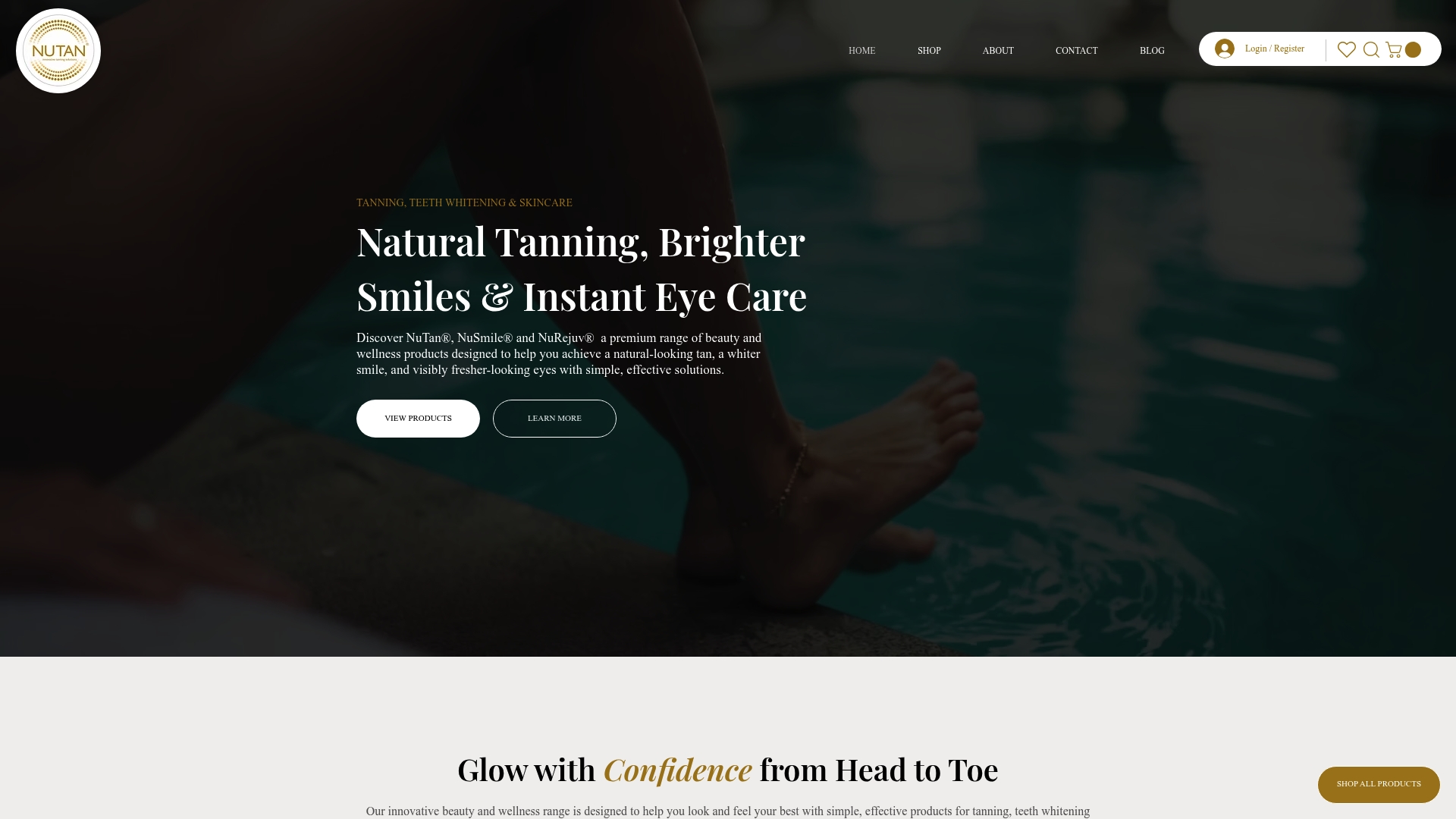
The NuTan Pap+ Teeth Whitening Powder is a peroxide-free PAP formula for daily surface stain removal and colour correction. It suits sensitive teeth and works well as a maintenance product between professional treatments. The NuSmile V34 Whitening Strips deliver a more targeted whitening course for moderate staining, with colour-correcting action in a convenient strip format. For enamel support after whitening, the Nusmile Enamel Care Kit is designed to remineralise and protect enamel as part of an ongoing routine. All three are UK-available and supplied directly through the NuTan® store. Visit the NuTan® teeth whitening range to browse the full selection, and consult your dentist before starting any peroxide-based bleaching regimen.
Sources
FAQ
Can yellow teeth become white again?
Yes, in many cases. Extrinsic yellowing from coffee, tea and tobacco responds well to whitening treatments, while intrinsic yellowing from ageing or medication is harder to reverse and may require professional-grade bleaching or cosmetic dentistry.
Does a shiny appearance mean teeth are healthy?
Not necessarily. Shine reflects surface smoothness and mineralisation, but a tooth can look glossy and still have early decay or enamel erosion beneath the surface. Regular dental check-ups remain the only reliable way to confirm tooth health.
What makes teeth look glossy?
Smooth, well-mineralised enamel reflects light evenly, producing a glossy appearance. Products containing nano-hydroxyapatite (nHA) or fluoride help remineralise micro-pores in enamel, improving both surface texture and perceived brightness.
How can I whiten yellow teeth at home safely?
Start with a dental check-up to rule out decay or gum disease, then choose a UK-compliant product with a clear ingredient list. A PAP-based option such as NuTan Pap+ powder is a gentle starting point, particularly for sensitive teeth, while NuSmile V34 strips suit those wanting a more targeted whitening course.
Recommended
Comments