

How long do tanning patches need to stay on for a natural tan?
- 11 minutes ago
- 8 min read
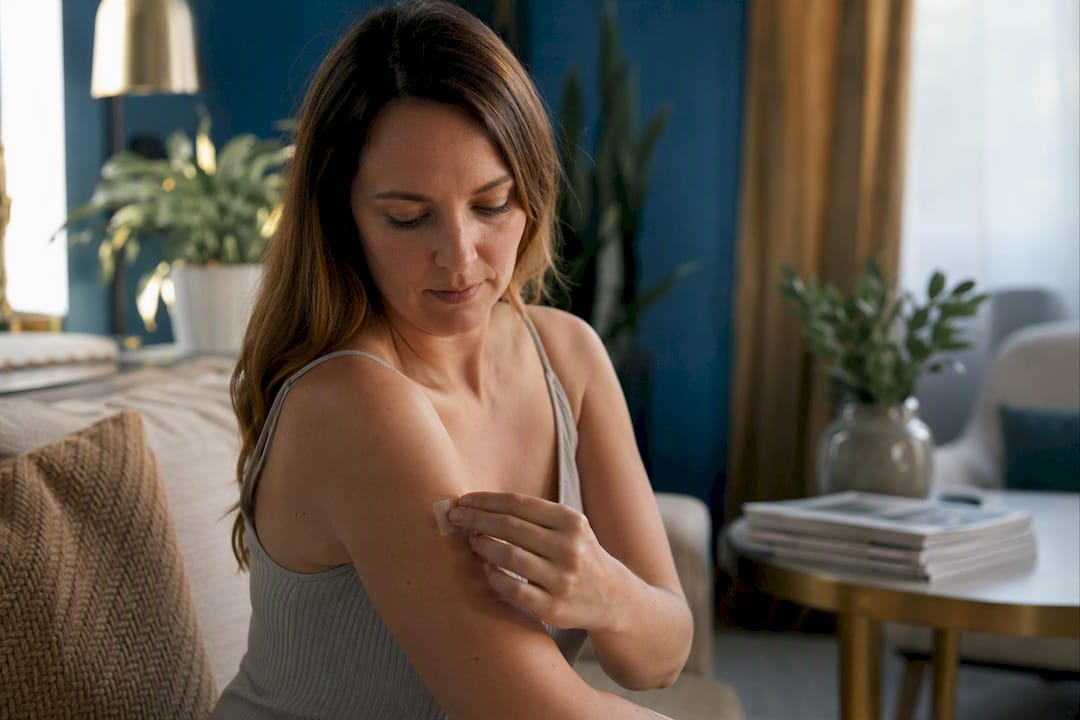
A standard NuTan® patch stays on for 6 to 8 hours, usually overnight or through a working day, and most people need a priming course of 2 to 4 weeks before the tan becomes visible. That first stretch is the foundation. Your patch delivers a beta‑melanocyte‑stimulating hormone complex (b‑MSH) through the skin, which activates the same receptor pathway your body already uses to tan, just with a fraction of the ultraviolet exposure normal tanning demands.
NuTan® standard patches: daily wear, 2 to 4 week priming course, gradual and even colour.
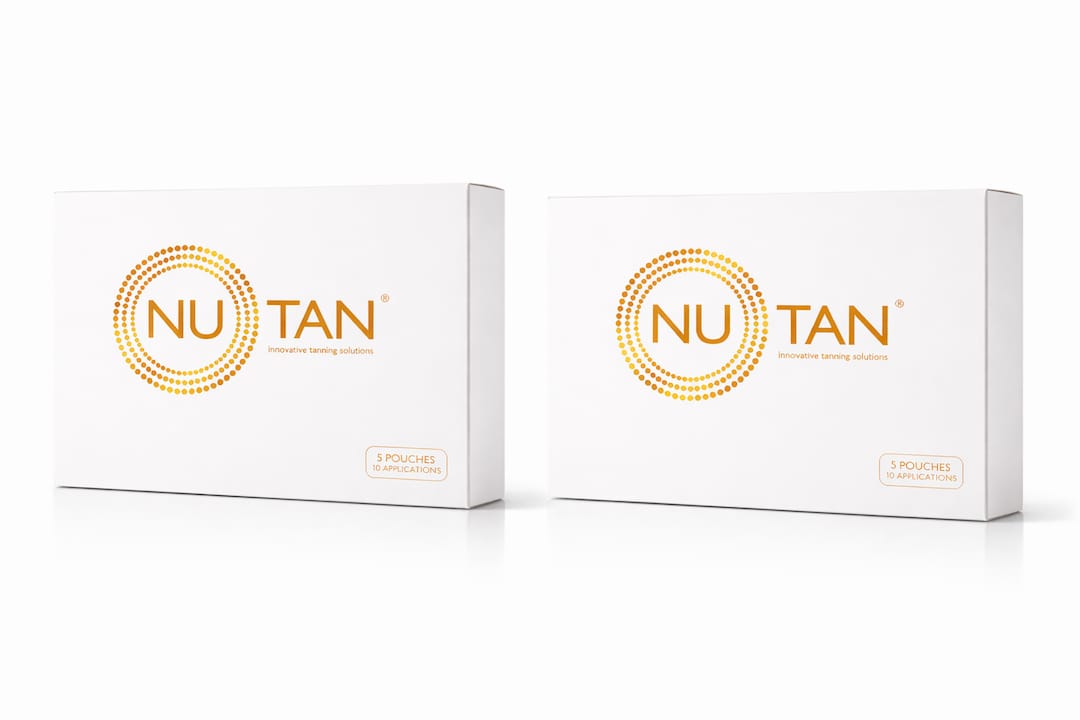
NuTan® 2‑box kit: 24 patches, built for a full starter priming course plus early maintenance.
NuTan® triple‑strength patches: shorter wear window, aimed at fair skin or slow responders who need a stronger initial push.
Pro Tip: Consistency beats intensity. Wearing one patch every day for three weeks produces a far more even tan than wearing several patches sporadically over the same period.
Key Takeaways
NuTan® patches trigger your skin’s own melanin production through MC1R activation, requiring 2 to 4 weeks of consistent daily wear to reach a visible, biologically generated tan.
Point | Details |
Standard wear time | Wear each standard NuTan® patch for 6 to 8 hours, ideally overnight or across a working day. |
Priming course length | Expect 2 to 4 weeks of daily standard patches, or 1 to 3 weeks with triple strength, before colour is clearly visible. |
Minimal UV still helps | Brief daylight exposure raises MSH receptor numbers, boosting patch effectiveness without prolonged sun or sunbed use. |
Maintenance is light | One or two patches a week, or a short repeat course, keeps your shade steady once you reach your target tan. |
Choose by skin response | NuTan® offers standard patches, a 2‑box starter kit, and triple strength for fairer skin or slower responders. |
Table of Contents
How do MSH patches trigger a natural tan?
Your NuTan® patch releases b‑MSH, which binds to the Melanocortin 1 Receptor (MC1R) on melanocytes, the pigment cells sitting in your skin’s basal layer. That binding switches on a chain reaction: cAMP rises inside the cell, a protein called MITF activates, and your melanocytes start producing more melanin. It’s your own biology doing the work, not a dye sitting on the surface.
Melanocortin 4 Receptor (MC4R) plays a supporting role too, and research on β‑MSH signalling shows it can increase MITF and tyrosinase expression in human melanocytes, the two enzymes most responsible for building visible pigment. This system is the body’s central regulator of facultative pigmentation, meaning it’s built to respond to repeated signals rather than a single burst.
Receptor activity fluctuates with the cell cycle, so a single patch worn once won’t have the same effect as steady daily use.
Priming courses exist because melanocytes need repeated stimulation to ramp up melanin output.
Consistent dosing keeps receptors engaged across successive cycles, which is why skipping days slows progress more than it seems it should.
How long should each patch stay on and how long is the priming course?
Wear time and course length depend on which NuTan® tanning patch you choose. Standard strength patches are designed for a 6 to 8 hour wear window, comfortably fitting a night’s sleep or a working day. Triple‑strength patches are more concentrated, so the recommended wear window is shorter, generally again 6 to hours, ideally overnight, to avoid overloading the skin’s uptake capacity.
A conservative priming schedule looks like this:
Standard strength: daily patch for 2 to 4 weeks, with most users noticing early colour change from around week two.
Triple strength: daily patch for roughly 1 to 3 weeks, often chosen by fair‑skinned users or those who’ve tried standard tanning methods with disappointing results.
NuTan® 2‑box kit: 20 patches split across two boxes, structured to carry a new user through a complete priming course with patches left over for the first week or two of maintenance.
Why the difference in course length between strengths? It comes back to receptor biology. MSH receptor responsiveness varies by cell‑cycle phase, and research on β‑MSH binding found receptors show positive cooperativity in synchronised cells, which is a technical way of saying repeated, steady dosing recruits more receptors over time than an occasional strong dose. Triple strength simply delivers more signal per patch, shortening the runway to visible colour.
Pro Tip: If you have very fair skin or have historically struggled to tan even with prolonged sun exposure, triple strength is usually the sensible starting point rather than stepping up from standard later. Always check the product leaflet for your specific skin type and speak to a clinician if you have any doubts before starting.
[
How do you apply a tanning patch correctly?
Application technique affects absorption more than most people expect. Clean, dry skin works best, so avoid applying a patch straight after moisturising or over freshly shaved areas.
Choose thinner, more vascular skin, such as the inner arm or upper thigh, where transdermal uptake tends to be more efficient than over thicker trunk skin.
Rotate placement sites daily rather than reusing the same patch of skin, which reduces irritation and keeps absorption steady.
Press the patch down firmly for a few seconds after application to ensure full contact.
Showering, light exercise, and normal clothing are all fine once the patch is secure. Just avoid direct scrubbing over the patch itself.
Site preparation matters enough that it’s worth a proper look at skin preparation for tanning with NuTan® patches before your first application. Patch testing a small area first is also good practice, and the reasoning behind that habit is well explained in this guide to why patch testing matters for your skin.
Pro Tip: Keep a simple rotation, left arm one day, right thigh the next, and so on. It’s a small habit that prevents the localised redness some users notice when they repeatedly apply to the exact same spot.
How much sun exposure do you need while using patches?
Almost none, and that’s the entire point. But “minimal” isn’t the same as “zero”, and understanding why matters.
UV light doesn’t just darken skin directly. It also increases the number of active melanocortin receptors sitting on your melanocytes. Research has shown that UV exposure raises expression of MSH receptors in skin, and dermatology commentary describes this as a genuine synergy: a small, controlled dose of sunlight makes the patch’s b‑MSH complex more effective, because there are simply more receptors available to respond to it. It’s less “sunbathing plus patch” and more “a brief signal that primes the receptors your patch is about to activate.”
Short outdoor exposure, a walk or errands in daylight, is typically enough to support the synergy effect.
Sunscreen should still be worn on exposed skin during any deliberate outdoor time; the goal is receptor priming, not burning.
Avoid stacking patch use with prolonged midday sun or sunbed sessions, which defeats the purpose of the reduced‑UV approach.
You can read more on this relationship in how limited UV and MSH receptors create a natural tan. The takeaway is straightforward: a few minutes of daylight complements the patch; hours of direct sun does not multiply the effect, it just adds risk.
Who should avoid tanning patches and what side effects can occur?
Most users tolerate NuTan® patches well, but a short checklist is worth running through before you start.
Avoid use if you’re pregnant or breastfeeding, unless a clinician has specifically advised otherwise.
Speak to a doctor first if you have a known hormone sensitivity, an active skin condition at the intended application site, or a history of unusual reactions to topical treatments.
Mild, transient redness at the application site is common and usually settles within a day. Very fair skin can respond more slowly overall, since receptor sensitivity varies between individuals, which is worth knowing so you don’t mistake a slower start for the product not working.
If you notice a widespread rash, facial swelling, difficulty breathing, or any rapid systemic symptoms after applying a patch, remove it immediately and seek medical attention. These reactions are rare, but they warrant urgent care, not a wait‑and‑see approach.
Always follow the instructions on the product leaflet and consult your clinician if you have pre‑existing medical conditions or take regular medication. For more on the safety reasoning behind the patch format itself, see NuTan® patches as a safer alternative to injections.
How long does the tan last once you reach your target shade?
A biologically generated tan behaves differently from a surface colour. Because the melanin is produced inside your own skin cells rather than sitting on top of them, it tends to persist for weeks rather than days, fading gradually as skin cells naturally turn over. Vigorous exfoliation and sudden sunburn will both speed up that fade, since both accelerate cell turnover at the surface.
Maintenance is simple once you’ve reached your target shade:
A single patch once or twice a week is usually enough to hold colour steady.
A short repeat course, three or four days of daily patches, works well if you notice fading after a few weeks without maintenance.
Because the colour comes from melanin within the skin rather than a surface stain, it doesn’t rub or wash off the way topical products can, and pharmacologic activation of this pathway is recognised as a viable strategy for sunless tanning precisely because it works with your own pigment production rather than against it.
What real users should expect week to week
NuTan® is built to give you a natural, biological tan using far less UV than conventional methods demand. What we hear consistently is that consistency, not intensity, decides how good the result looks. Worldwide delivery is available; always follow the product leaflet and check with a clinician if you have any medical concerns.
Which NuTan® patch matches your tanning goals?
If you’re starting from scratch, the NuTan® 2‑box kit is built exactly for that: 20 patches structured to carry you through a full priming course with enough left over for your first fortnight of maintenance. If you’ve tried tanning before with little success, or you have naturally fair skin, triple‑strength patches are worth reading up on before you buy, since the shorter wear window and stronger dose are designed specifically for slower responders.

For everyone else, the standard NuTan® patch delivers a steady, gradual tan with the lowest UV exposure of any method on the market, a genuine alternative to injections and prolonged sunbed sessions alike. Whichever strength suits your skin, worldwide delivery means you can start your priming course wherever you’re based. Browse the full range and pick the option that matches your skin type and how quickly you want to see colour.
Selected research behind this guidance
PubMed: UV exposure and MSH receptor expression on the synergy between limited sun exposure and melanocortin signalling.
PMC review: melanocortin signalling and protective effects covering photoprotective benefits of pigment pathway activation.
Physiological Reviews: the melanocortin system and pigmentation, the core reference for MC1R and MC4R biology.
ScienceDirect: pharmacologic strategies for skin pigmentation, supporting activation‑based tanning as a genuine alternative to surface products.
Always read the product leaflet supplied with your NuTan® patches and consult a clinician if you have medical questions specific to your skin or health.
This article is general information, not a substitute for advice from a qualified doctor. Consult a qualified healthcare professional about your own circumstances before acting on anything here.
Sources
PubMed entry: study showing UV upregulates MSH receptor expression and tanning synergy
PMC review: melanocortin signalling and protective effects of melanogenesis
Receptors for β‑MSH exhibit positive cooperativity in synchronized melanoma cells (Biochemistry)
Physiological Reviews: review on pigmentation and melanocortin system
FAQ
How long does one NuTan® patch last?
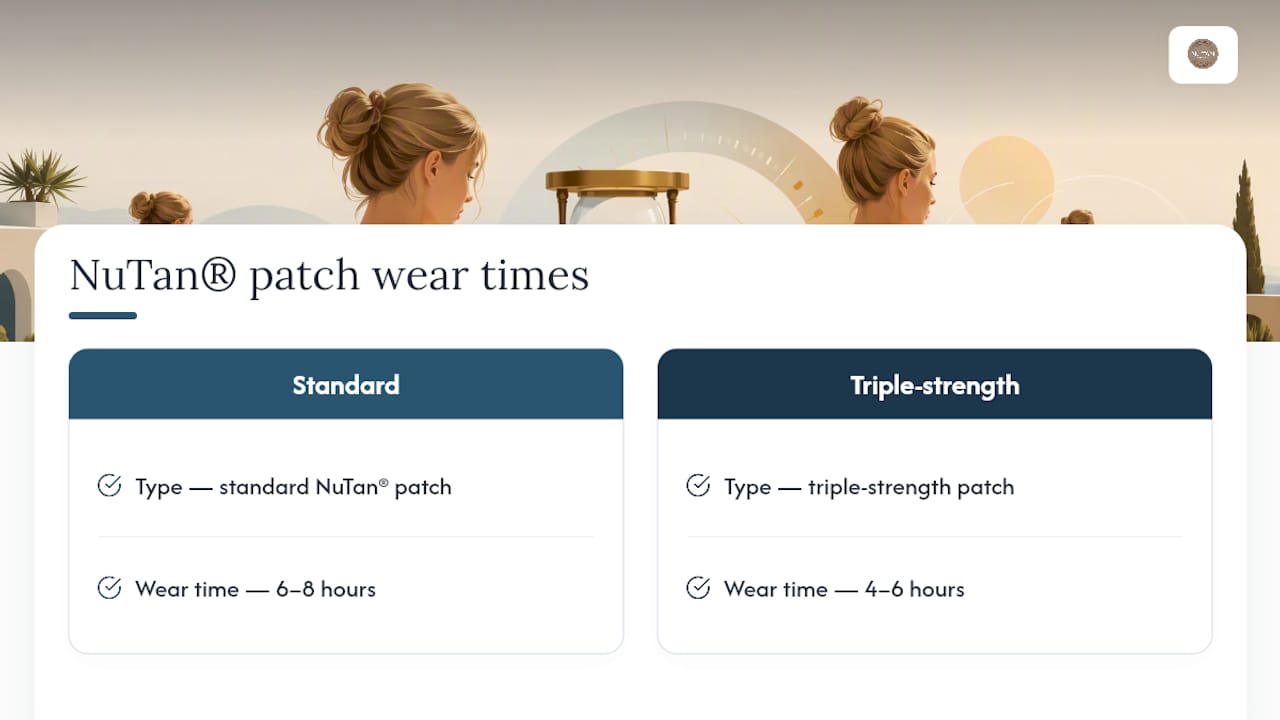
A standard NuTan® patch is worn for 6 to 8 hours, while triple‑strength patches are typically worn for 4 to 6 hours due to their higher concentration.
How long until I see a visible tan?
Most users notice early colour change from around week two of a 2 to 4 week priming course with standard strength, or slightly sooner with triple strength.
Do I need to sunbathe while using tanning patches?
No.
How long does the tan last once I stop using patches?
The biologically generated tan fades gradually over several weeks as skin naturally turns over, and it doesn’t rub or wash off since the colour sits within your own pigment cells.
Which NuTan® patch is best for fair skin or slow tanners?
Triple‑strength patches are generally recommended for fair skin or those who’ve responded slowly to tanning in the past, alongside a shorter wear window.
Recommended
Comments