

What is a natural glow? The science of radiant skin
- 18 hours ago
- 6 min read
What a natural glow really means for your skin
A natural glow is not shimmer, not oiliness, and certainly not a filter, and it reflects important insights from the role of dermatological research in beauty. Dermatologically speaking, it is the optical sign of healthy skin: a smooth, hydrated, intact skin barrier that reflects light evenly rather than scattering it in every direction. When your stratum corneum, the outermost skin layer, is well-hydrated and structurally sound, light bounces back cleanly. That clean, even reflection is what we perceive as radiance.
The confusion between shine and glow is widespread. Oily skin produces excess sebum that creates a shiny surface, but that is surface gloss, not biological radiance. A genuine glow versus surface shine distinction matters because chasing the wrong thing, whether through heavy highlighters or pore-clogging products, can actually increase skin inflammation and undermine the barrier you are trying to support.
Three skin health factors underpin every truly radiant complexion:
Hydration: Water content in the stratum corneum directly affects surface smoothness and light reflection.
Cellular turnover: Steady renewal of skin cells prevents the dead-cell buildup that causes optical dullness.
UV protection: Broad-spectrum SPF 30 or higher preserves collagen and prevents the uneven pigmentation that breaks up even reflection.
Table of Contents
How skin biology determines your natural radiance
The physics behind a natural glow are straightforward. Specular reflection on a smooth stratum corneum produces the clean, lit-from-within quality you associate with healthy skin. Barrier damage, whether from dehydration, harsh products, or UV exposure, causes diffuse reflection instead, and the result is flat, dull skin regardless of what you apply on top.
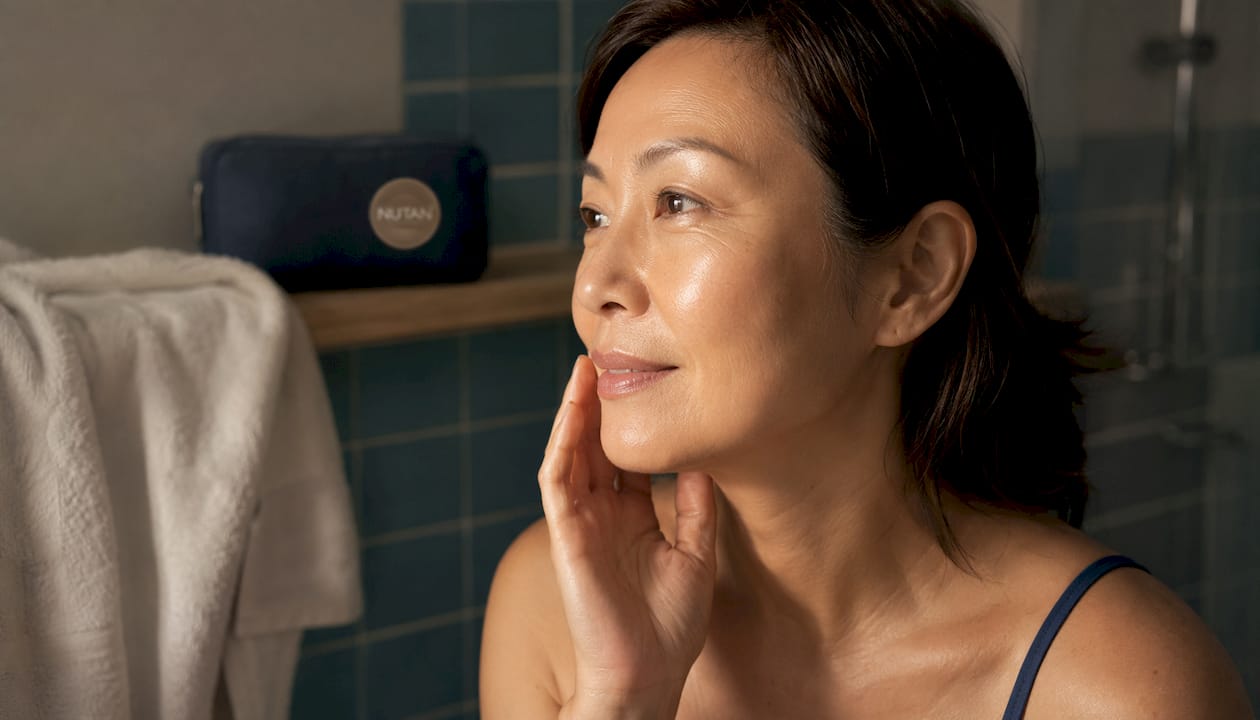
Hydration works on two timescales. A humectant such as hyaluronic acid or glycerin draws water into the surface layers almost immediately, plumping microscopic texture and boosting light reflection within minutes. The durable version depends on a functioning barrier built from ceramides and fatty acids that holds that moisture in over time. Skin that leaks water looks flat by mid-afternoon no matter how well the morning routine went.
Cellular turnover slows with age, leaving a thin layer of dead cells that dulls the surface. Collagen production also declines, reducing the structural support that keeps skin looking plump and smooth. These biological shifts are why a consistent, evidence-based routine matters more than any single product.
Skin health insight: Consistent hydration combined with barrier support provides the fastest route to a sustainable natural glow.
Lifestyle factors are equally significant. Stress, poor sleep, and UV exposure disrupt radiance by triggering hormonal shifts that increase inflammation and accelerate collagen breakdown, overriding even the most diligent skincare routine. Diet plays a supporting role too: omega-3 fatty acids from oily fish support barrier integrity, while carotenoid-rich vegetables can subtly influence skin tone over time with consistent intake.
How to build and maintain a natural glow every day
The British Association of Dermatologists recommends a simplified, consistent routine over complicated multi-step regimens. The core steps are:
Morning: Gentle cleanser, hydrating serum (hyaluronic acid or glycerin base), moisturiser, broad-spectrum SPF 30+.
Evening: Gentle cleanser, hydrating or brightening serum, moisturiser.
Weekly: Mild acid exfoliation once a week using a PHA such as gluconolactone or lactic acid to smooth texture without compromising the barrier.
Exfoliation deserves particular care. Removing the uneven layer of dead cells is the single fastest route to visible radiance, but over-exfoliation strips the barrier, triggers inflammation, and produces a reactive dullness of its own. Daily scrubbing is one of the most common reasons people lose their natural glow entirely.
Hydration from within matters just as much as what you apply. Drinking adequate water, sleeping 7–8 hours, and managing stress are not optional extras. They are the foundation that topical products build on, not replace.
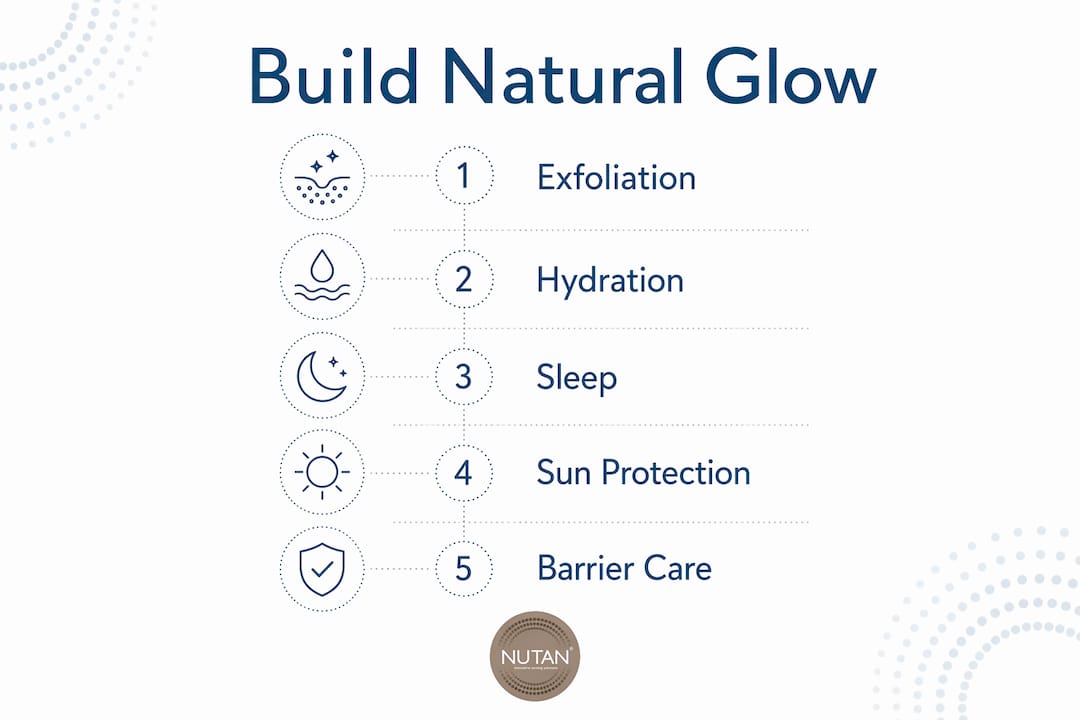
Pro Tip: Layer a humectant serum under a barrier-supporting moisturiser. The serum delivers an immediate optical lift; the moisturiser locks it in. Without both, the glow fades by lunchtime.
For a complete daily approach, the tanning skincare routine guide from NuTan® covers how to combine these steps with safe tanning practices for lasting results.
How NuTan® patches enhance your natural tan safely
Achieving a sun-kissed glow without significant UV exposure has historically meant choosing between risk and compromise. NuTan® changes that equation with a clinically supported, transdermal approach that works with your skin’s own biology rather than staining or coating it.
NuTan® patches contain the proprietary NuTan MSH-ComplexB, a formulation built around Beta-melanocyte-stimulating hormone (b-MSH) derived from a natural source. This compound binds to and activates the Melanocortin 1 Receptor (MC1R) on the surface of melanocytes, your skin’s pigment-producing cells. That binding kickstarts a series of biochemical events that increase melanin production and provide cellular protection. The result is a natural tan that does not rub off, does not wash away, and requires significantly less UV exposure than conventional tanning methods to achieve a comparable result.
Feature | NuTan® Transdermal Patches |
Active ingredient | Beta-melanocyte-stimulating hormone (b-MSH) |
Mechanism | Activates MC1R on melanocytes to increase melanin production |
UV exposure required | Over 70% less than conventional tanning |
Tan quality | Natural, lasting; does not rub or wash off |
Application | Transdermal patch, pain-free and needle-free |
Delivery | Worldwide |
The benefits of this approach go beyond convenience:
Safety: Minimal UV exposure means significantly reduced risk of UV-related skin damage.
Natural results: The tan develops through your skin’s own pigmentation process, not surface staining.
Cellular protection: Melanin production triggered by MC1R activation also provides a degree of natural cellular protection.
Convenience: Simply apply the patch and allow minimal, controlled sun exposure.
NuTan® patches are an award-winning product, and the science behind low-UV tanning they are built on represents a genuine advance for anyone who wants a warm, golden glow without the UV burden that traditional tanning carries.
For those wanting to understand how hydration supports your tan, NuTan® also provides guidance on combining skin health habits with patch use for the best possible results.
Discover the NuTan® transdermal tanning patches and experience a natural, lasting tan with minimal UV exposure. For faster, deeper results, the NuTan® Triple Strength patches deliver a 3× stronger glow with the same safe, science-backed technology.
Stay radiant, stay safe.
Key takeaways
A natural glow is a measurable physiological state of skin health, built from hydration, steady cellular turnover, and UV protection, not from cosmetics or surface shine.
Point | Details |
Glow is optical, not cosmetic | Smooth, hydrated skin reflects light evenly; damaged or dry skin scatters it, causing dullness. |
Three core factors drive radiance | Hydration, cellular turnover, and broad-spectrum SPF 30+ are the biological foundations of natural glow. |
Lifestyle shapes skin from within | Sleep, stress management, and diet directly affect skin barrier function and radiance. |
NuTan® reduces UV burden | NuTan® patches use b-MSH to trigger natural tanning with significantly less UV exposure than conventional methods. |
Consistency beats complexity | A simple daily routine of cleansing, hydrating, moisturising, and SPF outperforms complicated regimens. |
FAQ
What is a natural glow, exactly?
A natural glow is the optical effect of a smooth, hydrated, and intact skin barrier reflecting light evenly. It is a sign of healthy skin biology, not a cosmetic effect.
What causes skin to look dull instead of radiant?
Dead cell buildup, dehydration, UV damage, poor sleep, and chronic stress all disrupt the even light reflection that produces a natural glow.
How can you achieve a natural glow safely with minimal UV exposure?
NuTan® transdermal patches use Beta-melanocyte-stimulating hormone (b-MSH) to activate melanocytes and trigger natural melanin production, delivering a genuine tan with significantly less UV exposure than conventional tanning.
Is oily skin the same as glowing skin?
No. Oily skin produces excess sebum that creates surface shine, which is distinct from the even, healthy radiance of a true natural glow rooted in hydration and cellular renewal.
How long does it take to achieve a natural glow through skincare?
Visible improvements in brightness and texture can appear within days of consistent hydration and gentle exfoliation, but lasting radiance from collagen support and barrier repair typically develops over several weeks of consistent care.
Recommended