

Within an Hour: Clear Eye Bags After Sleep With 4 Quick Steps
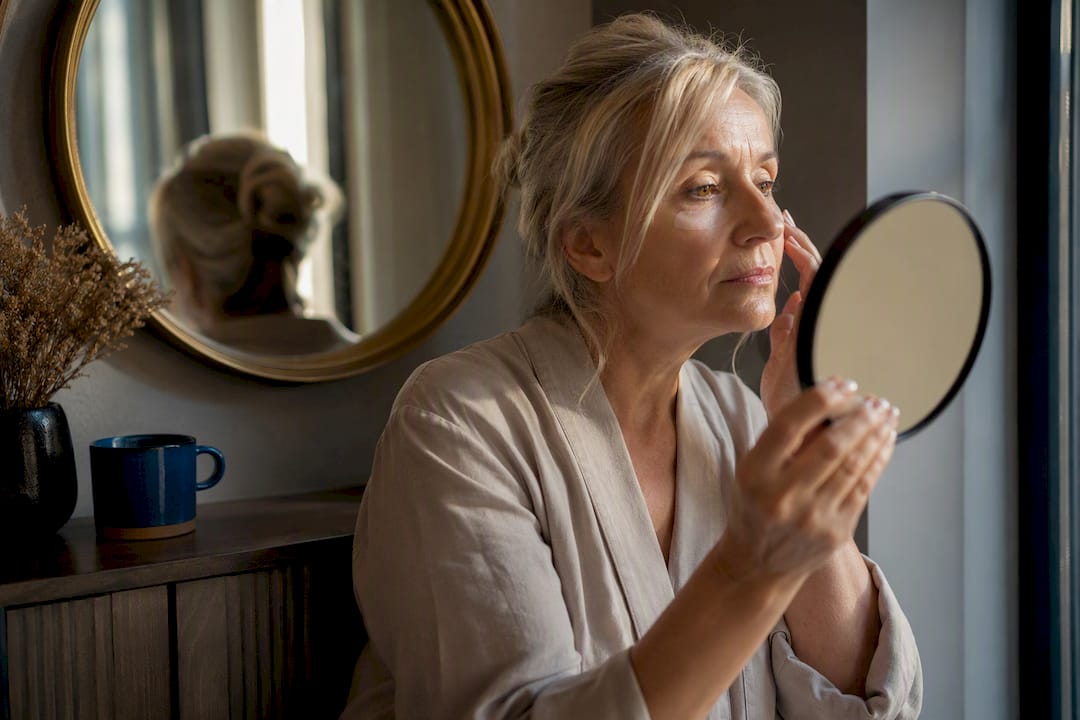
Most eye bags after sleep are simply fluid that pooled in the delicate tissue around your eyes while you lay flat overnight, and they usually fade within an hour or two of getting up. A cool compress, a few minutes sitting upright, and a gentle outward massage will speed that along for most people. If the swelling lingers all day, hurts, or affects one eye only, that’s your cue to get it checked rather than keep icing it.
TL;DR:
Most morning puffiness results from fluid pooling under the eyes due to lying flat overnight, especially if affected by salt, alcohol, poor sleep, or allergies.
Elevating your head, reducing salt intake at dinner, and managing allergies can significantly decrease the frequency of morning eye bags.
Quick remedies like cooling compresses, chilled tea bags, and gentle outward massage can reduce fluid-related puffiness within minutes in the morning.
Persistent swelling that doesn’t respond to home measures or is accompanied by pain or vision issues may indicate underlying conditions requiring medical evaluation.
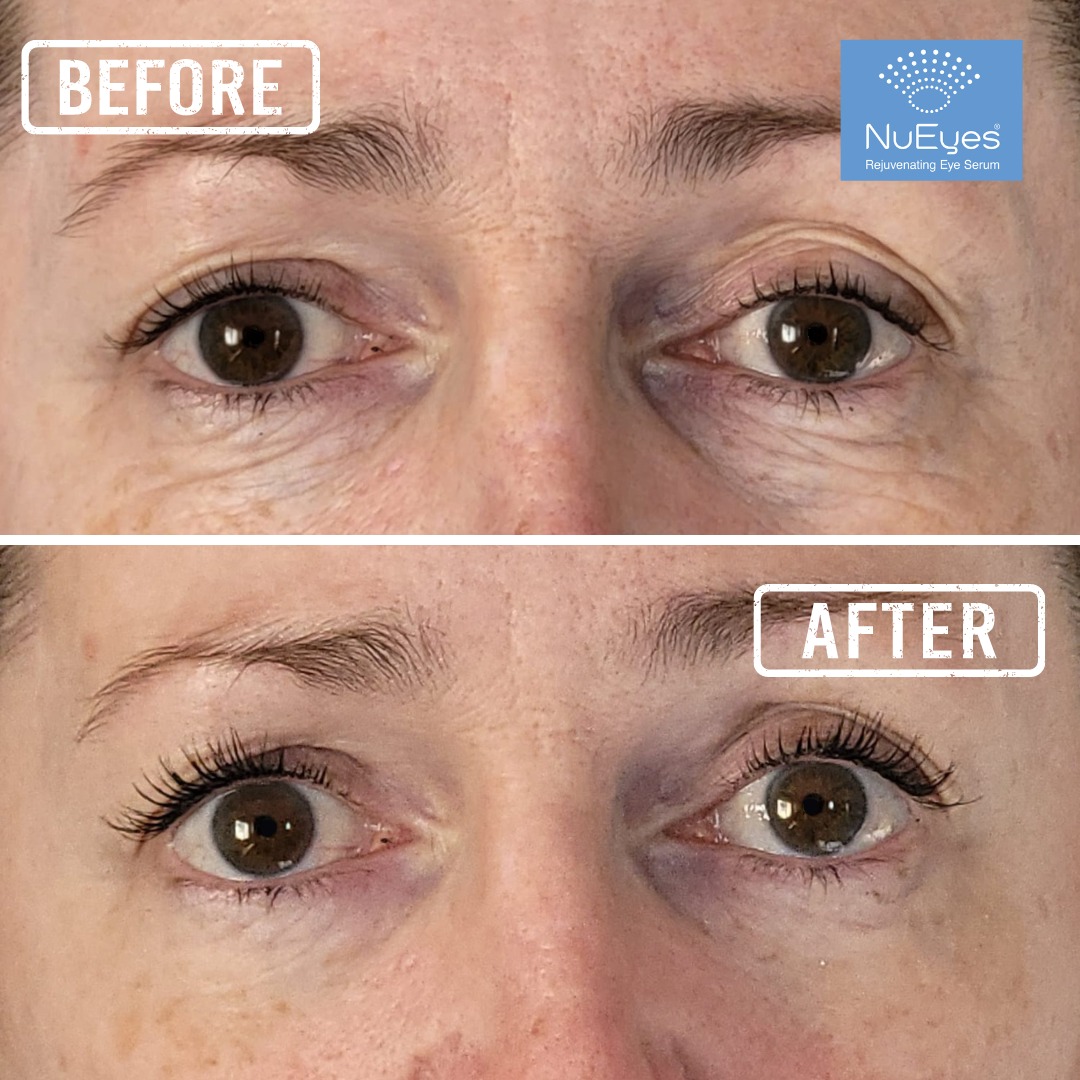
Topical products like caffeine creams or instant-lift serums provide temporary tightening, but structural eye bags from aging may need clinical procedures for lasting improvement.
Table of Contents
What causes eye bags after sleeping
Gravity works in your favour all day, pulling fluid down towards your feet. Lying flat overnight reverses this process: fluid drifts into the loose, thin skin under your eyes instead, and because that skin is some of the thinnest on your body, even a small volume of fluid shows up as a visible pouch. Mayo Clinic describes this as the standard mechanism behind morning puffiness, and it explains why the bags you see at 7am are often gone by 9am once you’ve been upright and moving.
Age changes the picture. The muscles and connective tissue that hold fat in place around the eye weaken over the years, fat can shift forward, and skin loses some of its elasticity. That’s when bags stop being a morning-only nuisance and start looking more permanent.
Several everyday habits make overnight puffiness worse:
A salty dinner, which encourages your body to hold onto extra fluid overnight
Alcohol before bed, which dehydrates tissue and disrupts normal fluid balance
Poor or interrupted sleep, which is consistently linked to more visible puffiness
Seasonal or dust allergies, which inflame the delicate eyelid skin
Crying, which combines fluid retention with rubbing and irritation
The useful distinction is this: fluid-related puffiness comes and goes with sleep, salt, and posture, while structural bags caused by ageing tissue tend to sit there regardless of how well you slept.
Quick morning fixes that reduce under-eye puffiness fast
If you’ve woken up puffy and have somewhere to be, this sequence works within minutes because it targets the fluid directly rather than trying to fix the underlying skin structure.
Sit up and get moving. Simply being upright helps fluid start draining away from your face, so don’t linger in bed once you’re awake.
Apply a cold compress for a few minutes. A chilled spoon, a damp flannel from the fridge, or a reusable cooling eye mask all work by narrowing blood vessels and slowing further fluid build up, according to the American Academy of Ophthalmology. Never press ice directly onto the skin. Wrap it, or use a mask designed for the eye area, since bare ice can damage the thin eyelid tissue.
Try cooled tea bags. Caffeinated tea bags chilled in the fridge for ten minutes work as a mild vasoconstrictor when pressed gently over closed eyes for a few minutes.
Finish with a gentle outward massage. Using your ring finger, the lightest finger for pressure, sweep from the inner corner of the eye out towards the temple. Five to ten light repetitions per side can encourage lymphatic drainage without stretching the skin.
Pro Tip: Keep pressure feather-light during the massage step. Your ring finger naturally applies less force than your index finger, which is exactly why estheticians favour it around the eyes.
Avoid vigorous rubbing, harsh scrubs, or any product not designed for the eye area. The skin here is far more fragile than anywhere else on your face, and irritation from an aggressive routine tends to make swelling worse, not better.
[
Prevention: habits and bedroom adjustments to reduce morning puffiness
A few changes to your evening routine cut down how often you wake up puffy in the first place.
Raise your head slightly. An extra pillow or a wedge that lifts your head 10 to 15cm above your heart helps stop fluid settling around the eyes overnight.
Cut evening salt. Diet is one of the biggest levers here. The NHS notes that excess dietary salt increases fluid retention, so a salty takeaway at 9pm is a fairly direct route to a puffy 7am.
Go easy on alcohol before bed and keep your overall fluid intake steady through the day rather than downing a large glass of water right before sleep.
Manage allergies. Wash pillowcases regularly, keep pets off the bed if they trigger reactions, and treat nasal congestion, since ongoing irritation to the eyelids adds to morning swelling, per guidance from the Cleveland Clinic.
Simplify your night skincare. Avoid rich or unfamiliar products right around the eye before bed. A gentle cleanser and nothing experimental is the safer bet if puffiness is already an issue.
None of these habits eliminates bags overnight, but stacked together they noticeably reduce how often you see them.
When morning puffiness is a sign to see a clinician
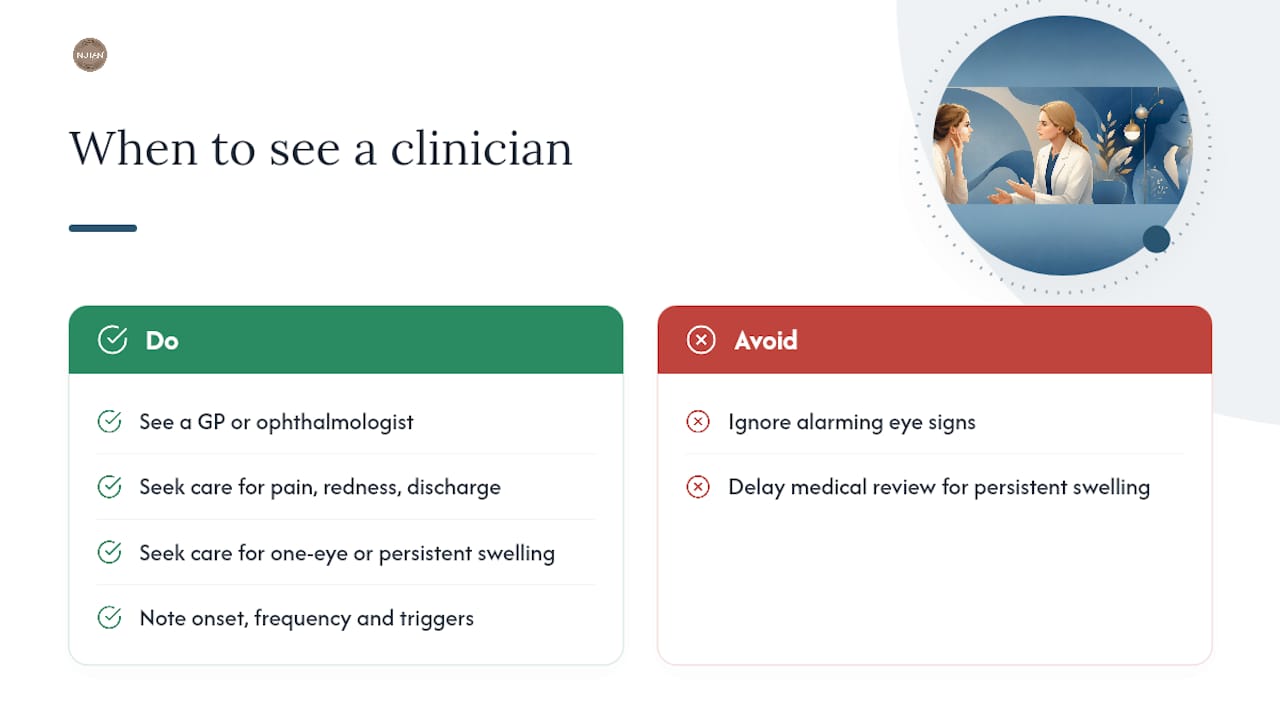
Most puffiness is harmless, but a few signs mean it’s worth booking an appointment rather than reaching for another cold compress. See a GP or ophthalmologist if swelling comes with pain, redness, discharge, or blurred vision, or if it affects only one eye and doesn’t ease off during the day.
Persistent swelling that doesn’t respond to posture or simple home measures can point to conditions such as blepharitis or other eyelid and periocular conditions that need targeted treatment, or occasionally to a thyroid or fluid-retention issue elsewhere in the body. Before your appointment, jot down when the swelling started, how often it happens, and anything that seems to trigger it, whether that’s a food, a product, or a bad night’s sleep.
Treatments and remedies beyond morning fixes
Topical products and clinical procedures solve different problems, and knowing which is which saves you from expecting a cream to do a surgeon’s job.
Caffeine-containing eye creams work as a mild vasoconstrictor and can visibly tighten the area for a few hours, per Johns Hopkins Medicine.
Instant-lift serums offer a similar short-term cosmetic effect, useful before an event but not a permanent fix.
Dermal fillers can soften the hollow beneath a bag, with results typically lasting several months.
Laser resurfacing and chemical peels tighten skin texture over a longer timeline.
Blepharoplasty, a surgical procedure, addresses fat herniation and loose skin directly and tends to give the most durable result of the options above.
The honest limitation: anything topical improves appearance temporarily. If your bags are structural rather than fluid-related, a clinical approach is the only route to a lasting change, and any invasive option deserves a proper consultation first rather than a home experiment.
A practical view on managing morning puffiness
Most people are chasing a permanent fix for something that’s actually temporary fluid pooling. That mismatch between expectation and cause is where a lot of frustration comes from. The realistic approach is to treat the two problems separately: use quick, safe habits for the fluid-related puffiness that shows up after a salty dinner or a bad night, and be honest with yourself about when a bag is structural enough to need a topical support or a clinical conversation instead. Pairing consistent prevention habits with a topical option for the occasional stubborn morning, and checking our how to apply guidance if you want the steps for using one, tends to serve people better than searching for one miracle step.
— NuTan
A topical option for stubborn morning puffiness
Some mornings, a cold compress and a few minutes upright aren’t enough before you need to be out the door looking awake. That’s the gap the NuRejuv Instant Lift Eye Cream is built for: a topical product designed to visibly tighten the skin around the eyes in minutes, giving you an appearance boost while your body deals with the underlying fluid on its own timeline.

It’s a cosmetic aid, not a cure, so use it the way you’d use any new skincare product. Patch test on a small area first, keep it well away from direct contact with the eye itself, and follow the application steps on our how to apply page for the best result. If you’d rather compare it against home remedies first, our piece on natural eye bag remedies versus creams lays out what each approach can realistically do. For an occasional early meeting or event, ordering it online is a straightforward way to have a fast option on hand alongside the habit changes covered above.
Sources
For deeper detail beyond this guide, the Mayo Clinic, American Academy of Ophthalmology, NHS salt guidance, and a peer-reviewed review of periorbital oedema all cover the clinical detail behind this article.
This article is general information, not a substitute for advice from a qualified doctor. Consult a qualified healthcare professional about your own circumstances before acting on anything here.
FAQ
Why do I still have eye bags after sleeping?
Fluid pools in the thin skin under your eyes while you lie flat, and if you’ve had salt, alcohol, poor sleep, or allergy flare-ups, that pooling is worse and takes longer to clear after you wake.
What organ is linked to under-eye bags?
Under-eye bags are mostly a local skin and fluid issue, not a sign of organ trouble, though persistent puffiness can occasionally reflect fluid retention linked to kidney, heart, or thyroid function, which is why unexplained ongoing swelling deserves a GP check.
How do I get rid of bags under my eyes after waking up?
A cold compress for two to five minutes, sitting upright, and a gentle outward massage with your ring finger will reduce most fluid-related puffiness within an hour, while a caffeine-based cream or an instant-lift product like NuRejuv can tighten the appearance further if you need a faster visible result.
How do I stop my eyes getting puffy after sleep?
Sleep with your head slightly elevated, cut back on evening salt and alcohol, and keep allergies under control with clean pillowcases and treated congestion, since all three reduce how much fluid settles under your eyes overnight.
Recommended
Comments