

Stop Over Whitening: When to Whiten Teeth Safely, 6–12 Month Rule
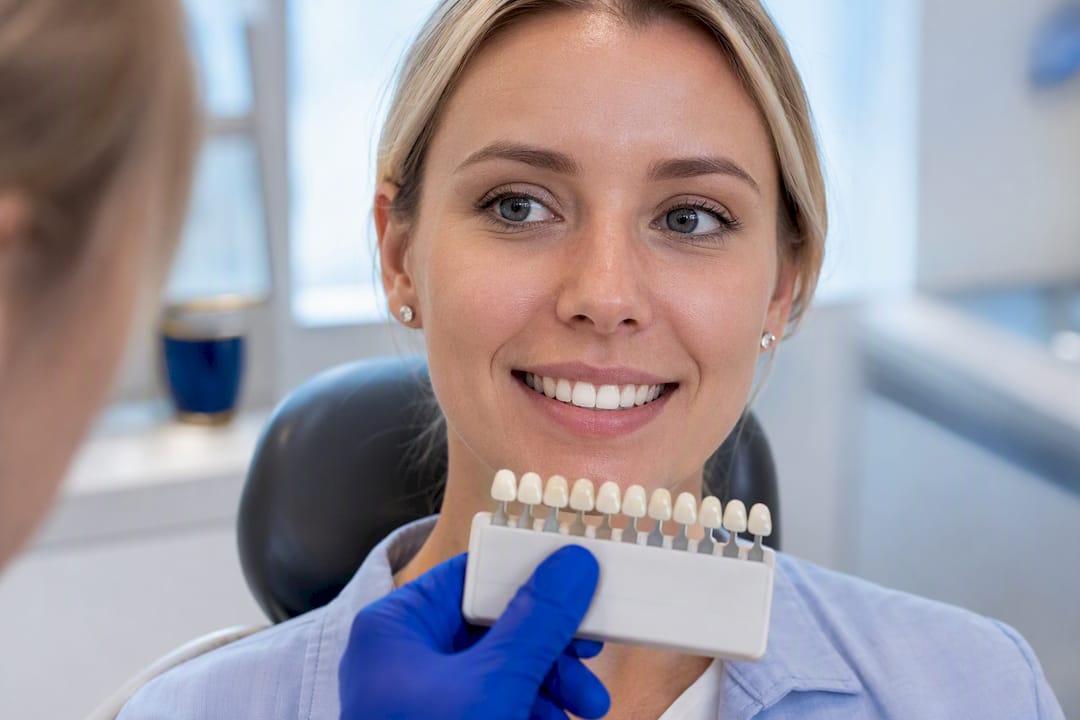
Most people can safely repeat professional teeth whitening every 6 to 12 months, giving enamel time to remineralise between sessions. Over-the-counter strips work on shorter 7 to 14 day courses, but should be rested for 3 to 6 months before you start again. The right schedule for you depends on your method, how your teeth respond to sensitivity, whether you have crowns or veneers, and what your dentist actually recommends after checking your mouth.
TL;DR:
In-office whitening should be repeated every 6 to 12 months, depending on staining habits and sensitivity levels, with more frequent sessions increasing risks.
Take-home trays are generally used for one to two weeks initially, then at 3 to 6 months intervals, based on peroxide strength and gum tolerance.
Whitening strips and gels are designed for 7 to 14-day courses, with safe reapplication recommended only every 3 to 6 months to prevent damage.
Safety depends on contact time and peroxide concentration; higher strength gels require less wear time, but longer, lower-strength applications can produce similar results.
Regular maintenance habits like rinsing after staining foods and using whitening toothpaste can preserve results and reduce the need for frequent bleaching.
Table of Contents
How often to whiten teeth by method
There’s no single answer to how often to whiten teeth because the answer depends entirely on which method you’re using. Concentration, contact time, and how the product is regulated all shape a safe cadence.
In-office whitening: Dental professionals generally suggest a top-up every 6 to 12 months, which is roughly how long results tend to hold. Heavy staining habits, such as regular red wine or coffee, might justify the shorter end of that window, but going more often than every six months increases sensitivity risk without much extra benefit.
Take-home trays: An initial course typically runs one to two weeks, followed by periodic short touch-ups, sometimes monthly, sometimes every 3 to 6 months, depending on the peroxide strength your dentist has prescribed and how your gums tolerate it.
Whitening strips and gels: These are designed for single courses of 7 to 14 days. Resist the urge to run them back to back. Guidance on strip safety recommends waiting 3 to 6 months, rarely monthly, before another course.
Whitening rinses and powders: These work slowly and sit better as maintenance add-ons than as a stand-alone whitening method. They don’t replace a proper bleaching schedule, but they can extend the gap between courses.
Take-home trays and in-office treatment often land in a similar place by six months, even though the total time your teeth spend in contact with peroxide differs enormously between the two, according to a comparative clinical study on at-home and in-office outcomes.
Why concentration and contact time set the safe schedule
[
Whitening products rely on either hydrogen peroxide or carbamide peroxide, and the difference matters more than most people realise. Hydrogen peroxide acts fast and is the workhorse of in-office treatment, where concentrations can run high under clinical supervision. Carbamide peroxide breaks down more slowly, releasing hydrogen peroxide over hours rather than minutes, which is why take-home trays use lower strengths worn for longer stretches.
That same clinical study found immediate and six-month outcomes were broadly comparable between the two approaches, despite home systems needing far more cumulative wear time to get there. Concentration limits aren’t arbitrary either.
Products above 6% hydrogen peroxide are restricted outside professional settings across EU jurisdictions, which is why in-clinic whitening can achieve faster results than anything sold for home use.
Whitening lights and lasers are often marketed as accelerators, but reviews of the evidence find limited added benefit over gel alone, so don’t let a light-up kit tempt you into whitening more frequently than your enamel can handle.
Contact time, not just strength, drives both results and risk. A lower-strength gel worn for two weeks can rival a stronger gel used once, which is exactly why combined regimens (a professional boost followed by gentle home touch-ups) tend to outlast repeated in-office sessions alone.
Sensitivity, gum irritation and when to pause
Tooth sensitivity and mild gum irritation are the two most common side effects of whitening, and both are usually transient, often settling within a few days of finishing a course. Overusing bleach, however, raises the odds of both, and repeated irritation can point to a schedule that’s simply too aggressive for your teeth.
Reduce sensitivity as it happens: Switch to a potassium nitrate toothpaste a week before and during whitening, shorten each application slightly, or alternate nights rather than whitening every day.
Watch for gum irritation: If gel spreads onto soft tissue, trim your strips or trays to the visible smile zone only, since strips are designed for buccal surfaces, not gum margins.
Know the difference between normal and concerning: Mild zinging during treatment is expected. Persistent pain, visible enamel translucency, or gums that stay inflamed after treatment ends are signs to stop and see a dentist.
Recognise the contraindications: Untreated decay, cracked teeth, active gum disease, pregnancy or breastfeeding, and being under 18 are all reasons to hold off, per widely cited clinical commentary on overuse risk.
Pro Tip: If sensitivity flares up mid-course, don’t push through it. Skip a night or two, apply a desensitising toothpaste, and resume once the discomfort settles. Forcing a full course through pain is what tips mild sensitivity into something that lingers for weeks.
Keeping your results without over-bleaching
The fastest way to reduce how often you need to whiten teeth is to protect the result you already have. Whitening isn’t meant to be a monthly ritual. It works best as an occasional reset supported by daily habits that slow staining down.
Rinse or brush soon after coffee, tea, red wine, or curry, since surface staining is far easier to lift than pigment that’s had days to settle.
Use a whitening toothpaste sparingly between courses. It won’t lighten teeth on its own, but it helps hold the shade you’ve already achieved.
A straw for dark drinks and cutting back on smoking both meaningfully extend how long results last. Tobacco staining is one of the fastest ways to undo a whitening course.
A sample calendar that works for most people: initial course, a three-month check on shade and sensitivity, then a full review at 6 to 12 months to decide whether you need a professional top-up or a light at-home refresh.
Choose a professional touch-up over an OTC top-up if you’ve noticed increasing sensitivity, since a dentist can adjust concentration rather than you simply repeating the same strength that caused the problem.
Good aftercare in the first 48 hours after any course does more to preserve your shade than whitening more often ever will.
Before you whiten: what to check first
A dental check and professional clean should come before any whitening course, not after. Cleaning removes surface staining that whitening won’t touch and lets a dentist confirm bleaching is actually appropriate for your mouth, a point emphasised by dental health guidance on safe whitening practice.
Ask about existing restorations. Crowns and veneers don’t whiten, which can leave mismatched shades if you bleach around them.
Ask about enamel wear and sensitivity history before committing to a schedule.
Set a realistic shade goal together rather than chasing a result your enamel can’t sustain safely.
Only use products or practitioners operating within GDC guidance on lawful whitening practice.
If whitening isn’t suitable right now, ask about treating decay or gum disease first. Orthodontic appliances also change the timing, worth checking before you start.
Our view on responsible whitening frequency
We think too much of the advice around whitening frequency treats it like a beauty routine you top up on autopilot, rather than a treatment that deserves the same restraint as any active ingredient applied to living tissue. NuTan® backs dentist clearance before repeat bleaching every time, not just for first-timers. Sensitivity that keeps recurring is your enamel asking for a longer rest, not a stronger gel. For most people, a single well-planned course followed by disciplined aftercare will beat frequent, half-measured top-ups on both results and comfort.
— NuTan
Gentle maintenance you can do between dental visits
Once your dentist has cleared you and your initial course is done, the real work is keeping that shade without reaching for bleach every few weeks. An at-home range is built for exactly that gap between professional visits, giving you a gentler way to extend results without repeating a full whitening course too soon.

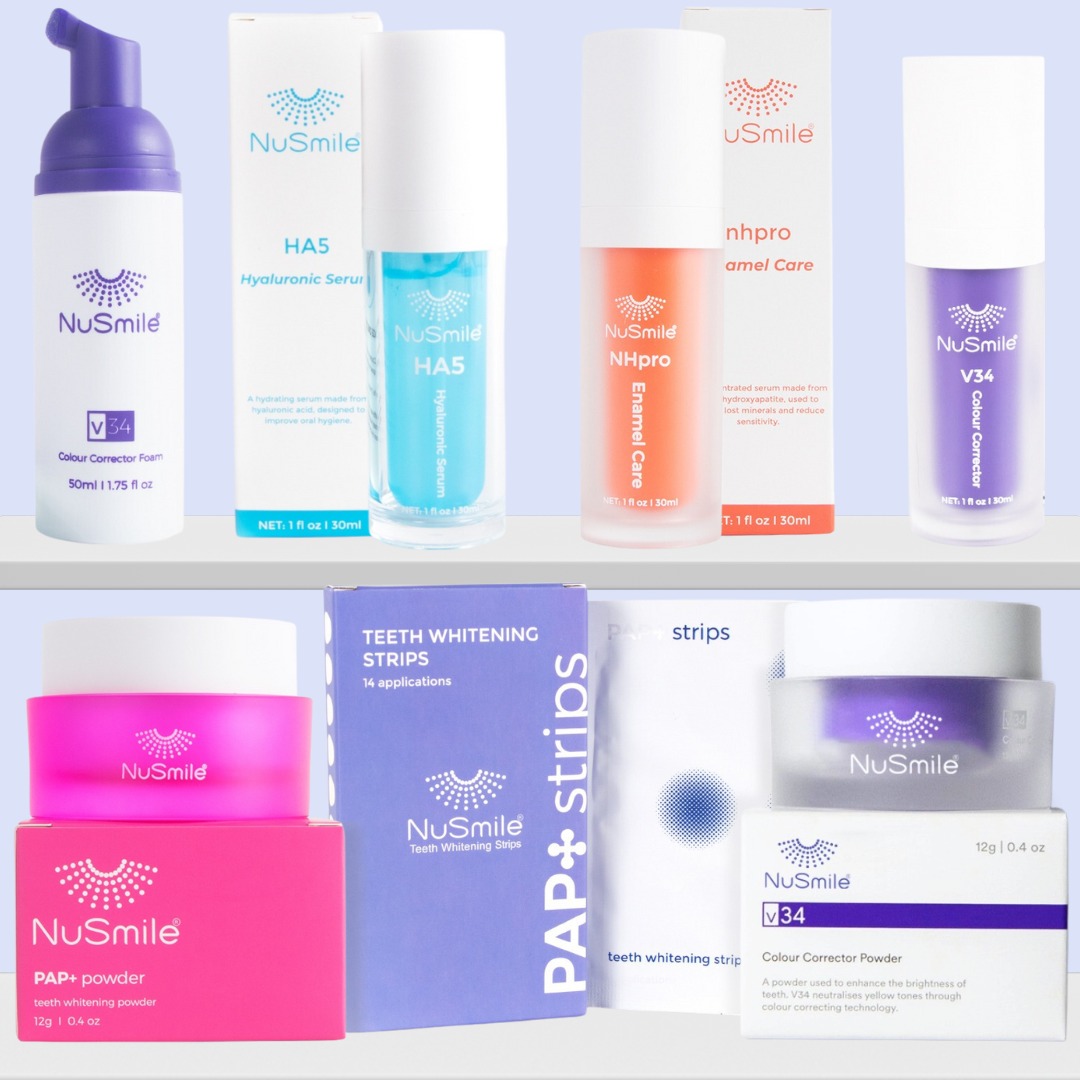
The NuSmile home whitening kit suits readers doing a first at-home course under sensible guidance, while the peroxide-free Pap+ whitening powder is a gentler option if your gums have been reactive in the past. For quick touch-ups between reviews, the Pap teeth whitening strips offer a shorter, lower-effort format than a full tray course. If sensitivity has been an issue, pairing any of these with the enamel care bundle helps rebuild comfort between whitening rounds rather than pushing through it. None of these replace professional advice. If you’re unsure which route fits your teeth, start with the home whitening kit and build your schedule around how your teeth actually respond.
This article is general information, not a substitute for advice from a qualified doctor. Consult a qualified healthcare professional about your own circumstances before acting on anything here.
Sources
FAQ
How frequently can you whiten your teeth?
Professional whitening is generally safe every 6 to 12 months, while OTC strip courses should be spaced 3 to 6 months apart rather than repeated back to back.
What is the 3-3-3 rule for teeth whitening?
There’s no verified clinical definition of a “3-3-3 rule” in dental guidance, so treat any version you see online with caution and follow your product’s instructions or your dentist’s advice instead.
What is the 2-2-2 rule for teeth?
Like the 3-3-3 rule, the “2-2-2 rule” isn’t a recognised clinical standard. Safe frequency comes down to your specific product, concentration, and how your teeth respond, not a fixed catchy formula.
Can yellow teeth go white again?
Yes, surface and some deeper staining respond well to bleaching, though results vary by cause. Genuinely discoloured dentine or restorations like crowns won’t lighten the same way natural enamel does.
Is it safe to whiten your teeth frequently?
Frequent, back-to-back whitening raises the risk of sensitivity and gum irritation without much extra benefit. Spacing treatments and getting dental clearance first is the safer approach.
Recommended
Comments