

UK Post Whitening Care: Protect Your Shade With a 48 Hour White Diet
- 2 days ago
- 6 min read
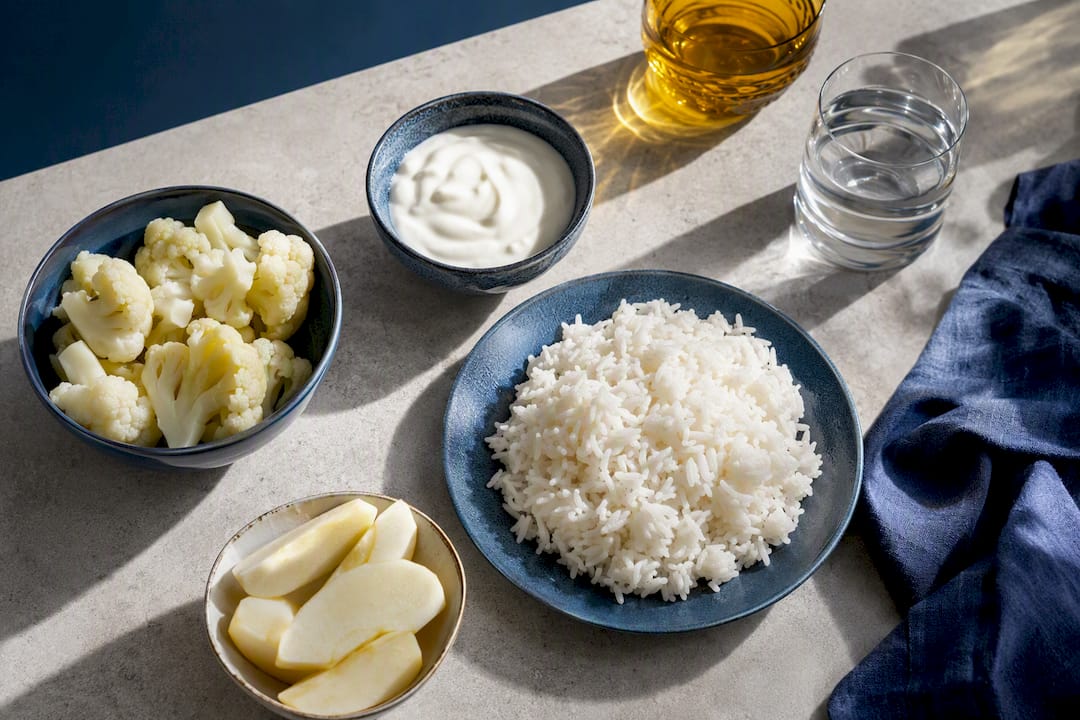
Straight after whitening, stick to a white diet, avoid anything hot, cold or coloured, and use gentle, sensitivity‑friendly oral care for at least 24 to 48 hours. This protects your new shade while enamel is still porous and eases the mild sensitivity most people feel. NHS guidance and dental practice protocols both stress this early window, and products like NuTan®'s NuSmile range are designed to slot into that maintenance routine afterwards.
TL;DR:
Maintaining a white diet for the first 48 hours after whitening helps prevent staining while enamel remains porous and sensitive.
Using fluoride or hydroxyapatite rinses, along with gentle brushing techniques, speeds up enamel remineralization and reduces sensitivity.
Sensitivity usually peaks within the initial two days and tends to diminish significantly within a week, but persistent discomfort requires dental evaluation.
Regular daily habits, such as rinsing after staining foods and scheduling professional cleanings, are key to keeping whitening results long-term.
Avoiding additional bleaching products shortly after treatment prevents uneven results and further sensitivity risks.
Table of Contents
Post whitening care: the first 24 to 48 hours
Whitening gel temporarily opens up microscopic channels in your enamel, which is why the Leeds Dental Institute advises patients that teeth are most receptive to staining in the first day or two after treatment. Anything with strong pigment can lodge in that porous surface before it has a chance to settle, which is exactly why dentists talk about a “white diet” rather than simply “be careful for a bit.”
The safe list is straightforward: water, milk, white rice, plain pasta, chicken, white fish, eggs, yoghurt, and bananas or pears. Sticking to pale, low‑acid meals for two days keeps your result looking as intended.
Avoid the obvious offenders and a few less obvious ones:
Coffee, tea, red wine and cola
Berries, tomato‑based or soy sauces, and curry
Tobacco, including cigarettes and vaping liquids with dark flavourings
Coloured mouthwash (swap for a clear, alcohol‑free rinse)
Sharply acidic foods such as citrus fruit or vinegar dressings, which can aggravate already‑sensitive enamel
If you can’t avoid a coloured drink entirely, drinking through a straw and rinsing with water immediately afterwards limits contact with the front teeth.
Pro Tip: Keep meals lukewarm rather than piping hot or ice cold for the first two days. Temperature extremes tend to trigger sensitivity twinges faster than any single food does.
This 48‑hour window is short by design. It’s a temporary discipline, not a lifestyle change, and normal eating resumes once the enamel has settled.
How do you manage sensitivity after whitening?
Sensitivity happens because bleaching gel reaches down into the dentin beneath your enamel, temporarily irritating the microscopic tubules that lead to the nerve. Bupa’s patient guidance notes that this discomfort typically peaks within the first 24 to 48 hours after treatment and then eases off for most patients within a few days.
Practical steps that help:
Switch to a toothpaste containing potassium nitrate or stannous fluoride, both of which calm the nerve response and help seal exposed tubules
Use a desensitising gel applied directly to teeth if your dentist recommends one
Avoid ice water, iced drinks and very hot beverages until sensitivity fades
Skip whitening mouthwashes or additional bleaching products during this recovery period
Sensitivity in context: most patients experience noticeable twinges only in the first two days, tapering off within a week, according to Bupa. If discomfort is still sharp or worsening after that point, that’s outside the normal pattern.
Occasional patients feel nothing at all, while others notice zingers when breathing in cold air. Both are within the range dentists consider typical, and neither needs anything beyond the steps above unless it persists.
What helps enamel remineralise after whitening?
Enamel needs a few days to reharden after bleaching, and the right rinse speeds that along considerably. Fluoride rinses remain the standard recommendation, but nano‑hydroxyapatite products are increasingly used as an alternative for people who prefer a fluoride‑free option, according to guidance from Algoma Family Dentistry.
Apply a fluoride or hydroxyapatite rinse once daily, ideally at a different time from brushing, and avoid rinsing with water straight afterwards so the active ingredient has time to work on the enamel surface.
Brushing technique matters more than usual in this window:
Use a soft‑bristled brush and light pressure, not a scrubbing motion
Choose a toothpaste with a moderate RDA (relative dentin abrasivity) rating rather than a highly abrasive “whitening” formula, which can undo the smoothness you’ve just achieved
Rinse take‑home trays with cool water after each use and let them air dry fully before storing them, to avoid warping or bacterial build‑up
Pro Tip: If you’re using a take‑home tray for touch‑ups later, check the fit every few months. Trays that no longer sit snugly let gel spread onto gums, which causes irritation rather than better whitening.
What keeps your smile white long term?
A white diet for 48 hours only protects the result in the short term. What actually keeps teeth looking whiter for months is what you do every day afterwards, not how strictly you followed the initial rules.
Limit daily exposure to staining agents. Coffee and red wine aren’t banned forever, but rinsing with water after each cup makes a genuine difference over weeks and months.
Book regular hygienist cleanings. Professional cleaning removes surface build‑up that dulls shade well before the underlying whitening fades.
Expect touch‑ups roughly every 6 to 12 months, depending on diet, smoking habits and how porous your enamel naturally is.
Avoid layering additional over‑the‑counter bleaching products onto teeth that were professionally whitened recently. Freshly rewhitened enamel is more porous, and stacking treatments raises the risk of uneven results or extra sensitivity.
If you wear braces or retainers, timing touch‑ups around appliance removal matters too. NuTan®'s guide on whitening with braces covers what’s safe to do while brackets are still in place.
When should you contact your dentist after whitening?
Most post‑whitening discomfort settles within a few days. Contact your dentist if you notice:
Pain that persists beyond 72 hours rather than easing
Gum irritation that looks inflamed, white, or unusually sore rather than mildly tender
Uneven whitening, or a visible mismatch between natural teeth and existing crowns or fillings
A dentist can adjust tray fit, apply professional fluoride treatment, or check for underlying issues such as small cracks or early decay that whitening can sometimes expose. Until you’re seen, stick to gentle brushing and the sensitivity measures above rather than trying stronger remedies yourself.
NuTan’s practical take on maintaining your whitening
We built the NuSmile range around exactly this problem: results fade if daily habits don’t back them up. The NuSmile take‑home kit suits scheduled touch‑ups every few months, while the PAP+ powder or V34 strips work well for a quick refresh between bigger treatments. Clinical rationale for gentler, PAP‑based formulas continues to build, and we’ll update this guide as more independent testing becomes available.
— NuTan
Keep your results going with the right maintenance kit
There’s a real difference between guessing your way through aftercare and following a kit built for the job. The NuSmile take‑home whitening kit is designed for scheduled touch‑ups once your initial white diet window has passed, so you’re not left improvising with random products a few months down the line.
If you only need a light refresh between full treatments, the PAP+ whitening powder or NuSmile V34 whitening strips are gentler options, and for enamel support during recovery, the enamel care bundle pairs remineralising ingredients with sensitivity relief in one routine. Daily habits matter just as much as any single product, and building a consistent brushing routine alongside your maintenance kit stretches results further between touch‑ups. None of this replaces your dentist’s advice for anything beyond routine maintenance, but for keeping a professionally achieved shade looking its best, browse the NuSmile range and pick the kit that matches how often you plan to top up.
Sources
FAQ
What should you do straight after teeth whitening?
Stick to a white diet of pale, low‑acid foods for 24 to 48 hours, avoid coffee, tea, red wine and tobacco, and use a soft brush with a sensitivity‑friendly toothpaste.
What shouldn’t you do after whitening?
Avoid coloured or acidic foods and drinks, hot or ice‑cold items, tobacco, and any additional bleaching products until initial sensitivity has settled.
Do you really need to wait 48 hours after whitening?
Yes. Leeds Dental Institute guidance confirms enamel stays more porous and stain‑prone for roughly 48 hours, so this window genuinely affects how long your result lasts.
Can you eat normally 24 hours after whitening?
Not quite yet. Most dentists recommend continuing the white diet for the full 48 hours, since staining risk is still elevated at the 24‑hour mark, even though sensitivity often starts easing by then.
How long does sensitivity last after whitening?
Sensitivity typically peaks in the first 24 to 48 hours and settles within a few days for most patients, according to Bupa. Persistent pain beyond 72 hours is worth mentioning to your dentist.
Recommended
Comments