

Instant Under Eye Lift in 2–3 Minutes: UK Prices £5–£60
- 1 hour ago
- 13 min read
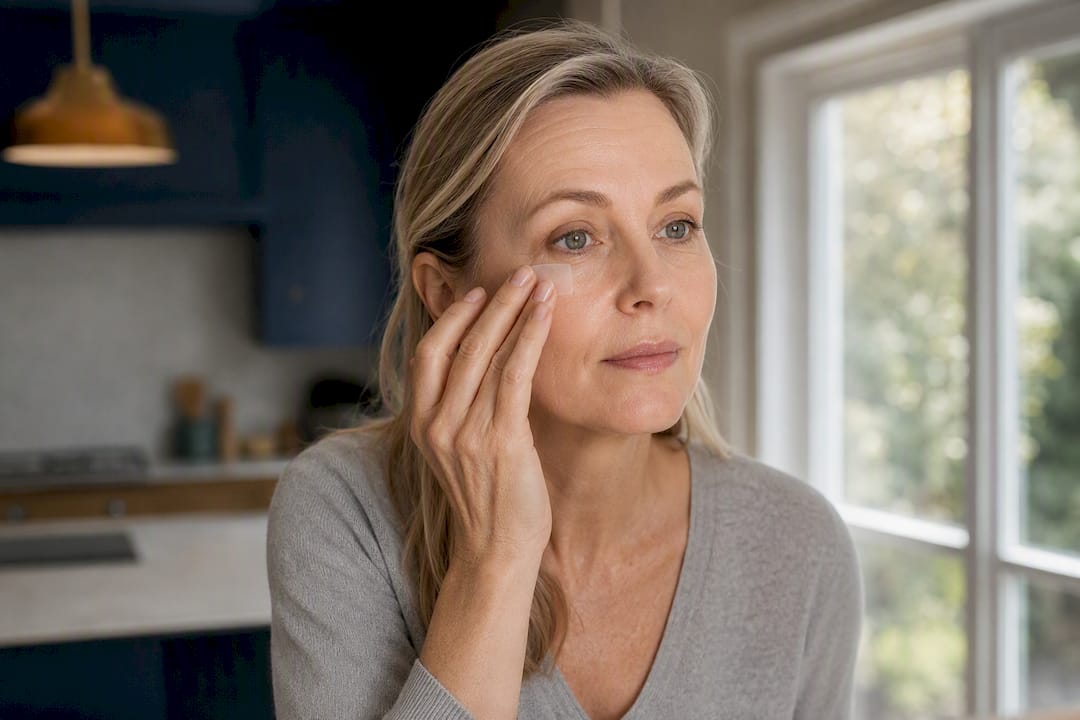
Expect to pay anywhere from £5 to £60+ for a genuinely effective over-the-counter instant-lift eye product in the UK, with most decent options sitting between £15 and £35. This article covers non-surgical, shop-shelf solutions only, not blepharoplasty or clinic procedures. For a quick fix that shows results in minutes rather than weeks, NuTan’s NuRejuv and NuEyes are among the UK’s available instant-lift options worth knowing about before you buy.
TL;DR:
Mid-range instant-lift eye products, priced between £20 and £60, often contain a combination of caffeine, hyaluronic acid, and peptides for quick visible effects.
Products promising immediate tightening usually use film-forming polymers, with effects lasting only four to eight hours, requiring timely application before events.
Over-the-counter options like NuRejuv and NuEyes provide results within a few minutes, offering a fast, non-invasive alternative to expensive professional procedures.
Application techniques, such as cooling the product and allowing it to set before makeup, significantly impact the effectiveness of instant-lift formulas.
These topical solutions work primarily on fluid-related puffiness and are ineffective against structural eye bags, which often need professional intervention.
Table of Contents
What does eye bag removal cost UK shoppers for OTC instant-lift products?
How should you apply instant-lift products for the best results?
Are there side effects or safety concerns with these products?
Where can you buy these products in the UK, and what will you pay?
How long do professional treatments take, and how many sessions do you need?
What are the risks and recovery times for professional procedures?
Getting ready for a big event: what I’ve learned about timing
What does eye bag removal cost UK shoppers for OTC instant-lift products?
Three clear price bands dominate the UK shelf and online market for instant-lift eye products, and knowing which one you’re in matters more than the brand name on the box.
Budget (£5 to £20): This tier covers single-ingredient serums and basic caffeine formulas. The Ordinary’s Caffeine Solution 5% + EGCG, for example, retails at £8.40 on John Lewis, making it one of the most accessible entry points into puffiness-reducing skincare in Britain.
[
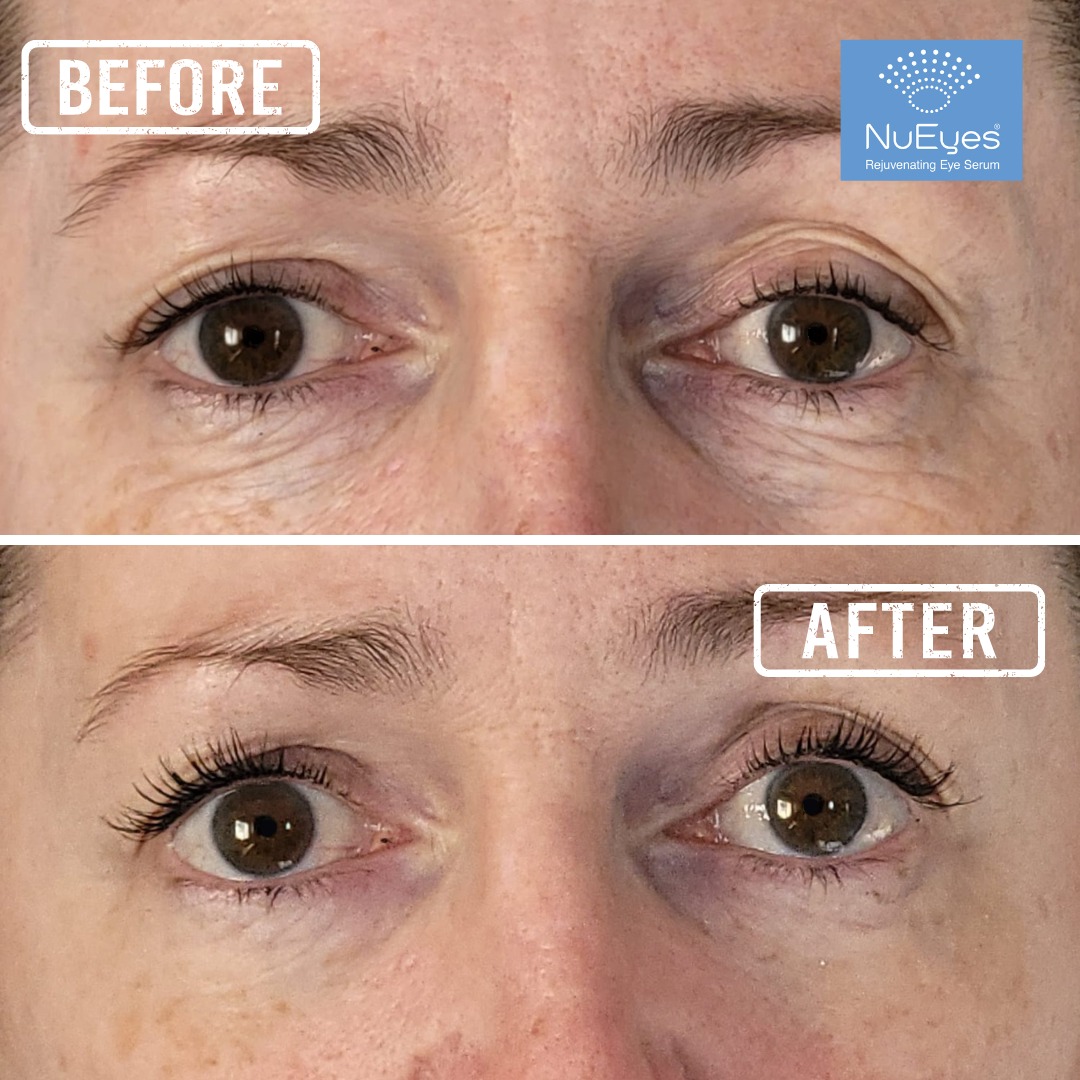
Mid-range (£20 to £60): Here you find multi-ingredient formulas combining caffeine with hyaluronic acid or peptides, plus dedicated instant-lift creams and serums designed for visible tightening within minutes rather than weeks. NuTan’s NuRejuv and NuEyes sit in this bracket.
Premium (£60+): This band includes clinical-strength serums, professional-grade tools paired with topical formulas, and heavily marketed “prestige” eye creams. You’re often paying for packaging and brand cachet as much as extra efficacy.
Single-use patches: typically £1 to £4 per application, sold in packs of 5 to 60
Standard tubes (15ml to 30ml): £8 to £45, lasting weeks to months depending on frequency of use
Serums with pump dispensers: £15 to £70, often with a lower cost per use than jars
Delivery matters too. Many UK retailers charge £2 to £5 for standard shipping unless you hit a free-delivery threshold, so factor that into your total spend before assuming the shelf price is the final price.
What affects the price of instant-lift eye products?
Not all £20 eye creams are created equal, and the ingredient list is usually the biggest clue as to why.
Active ingredients: Caffeine is cheap to formulate with and widely available, which is why many budget serums lean on it. Peptides, film-forming polymers, and stabilised hyaluronic acid cost more to source and manufacture, pushing prices into the mid and premium tiers.
Pack size versus cost per use: A £12 tube that lasts eight weeks can be cheaper per application than a £6 tube you get through in ten days.
Immediacy claims: Products promising visible tightening within minutes, rather than gradual improvement over weeks, typically use film-forming technology, which adds to formulation cost.
Brand and packaging: Premium packaging, marketing spend, and brand positioning inflate price without necessarily improving the result underneath.
Pro Tip: Check the ingredients list before the price tag. A £15 serum with caffeine and hyaluronic acid can outperform a £45 jar that relies on fragrance and packaging to justify its cost.
How do instant-lift creams and serums actually work?
Under-eye bags fall into two categories, and it’s worth knowing which one you’re dealing with. Transient puffiness comes from fluid retention, often worse in the morning and linked to salt intake, alcohol, dehydration or poor sleep position. Structural bags, caused by fat pad shifts or skin laxity, don’t respond the same way to topical products.
Instant-lift formulas work through a few distinct mechanisms:
Caffeine constricts blood vessels near the skin’s surface, reducing the swelling associated with fluid buildup. Reviewers and testers widely report this delivering a genuine short-term reduction in puffiness, particularly for caffeine-containing eye products.
Film-forming polymers create a temporary tightening layer on the skin’s surface, producing the “instant lift” sensation within minutes.
Humectants like hyaluronic acid draw moisture into the skin, plumping fine lines and softening the appearance of hollows.
Peptides support the skin’s structure over repeated use, offering a slower, cumulative benefit alongside the instant effect.
Onset is typically minutes, not hours, but duration is limited: most instant effects fade within four to eight hours, which is why timing your application matters as much as the product itself.
How do you choose the right instant-lift product?
Identify your concern first. Intermittent morning puffiness responds well to caffeine formulas. A structural bag that’s there all day, every day, won’t shift much with topical products alone.
Match the ingredient to the job. Caffeine for puffiness, film-forming polymers for an instant event-day lift, hyaluronic acid for plumping and hydration.
Think about application time and makeup. Some instant-lift formulas need several minutes to set before makeup goes on top, so factor this into your morning routine.
Work out cost per use, not just shelf price. A pricier tube with a tiny amount needed per application often beats a cheap one you burn through quickly.
Check UK stock and returns policy. Confirm delivery timescales and whether a patch test sample or trial size is available before committing to a full-size purchase.
For a deeper look at when lifestyle tweaks are enough versus when a product is genuinely needed, our guide to eye bag remedies versus creams breaks this down further.
How should you apply instant-lift products for the best results?
Patch test first, especially with new peptide or film-forming formulas, applying a small amount to your inner wrist 24 hours before using it near your eyes.
Use a pea-sized amount or less. Instant-lift products are concentrated, and more product doesn’t mean more lift.
Cool the product before application. Facialists and skin experts recommend storing eye products in the fridge to boost the immediate tightening effect through added vasoconstriction.
Apply 10 to 20 minutes before you need the result, giving film-forming ingredients time to set before makeup goes on.
Remove gently with a proper cleanser at the end of the day rather than rubbing, which can undo any structural skincare benefit underneath.
Pro Tip: If you’re prepping for a big event, apply your instant-lift product cold, straight from the fridge, then wait the full setting time before adding concealer. Rushing this step is the most common reason people say these products “don’t work”.
Are there side effects or safety concerns with these products?
Most reactions to instant-lift eye products are mild and manageable, but a few precautions are worth knowing before you start.
Tightness or mild stinging is common with film-forming and peptide formulas and usually settles within minutes.
Visible residue or flaking can occur if you apply too much product or don’t allow it to set fully before touching the area.
Retinoids and film-forming instant lifts don’t mix well. Using retinol alongside these products, especially during the day, can increase irritation and sensitivity around the eye area.
Always patch test new formulas, particularly if you have sensitive skin or a history of reactions to skincare actives.
See a pharmacist or GP if you notice persistent swelling, redness that doesn’t fade, or any sign of an allergic reaction rather than continuing to use the product.
Where can you buy these products in the UK, and what will you pay?
You can buy NuTan’s NuEyes Instant Eye Lift Serum and NuRejuv cream directly through the brand’s own site, alongside high street pharmacies, larger UK retailers, and beauty specialists stocking similar instant-lift formulas.
Budget: The Ordinary’s Caffeine Solution at £8.40 via John Lewis represents the accessible end of the market.
Mid-range: NuRejuv and NuEyes fall here, priced for shoppers wanting a genuine instant effect without premium-tier spending.
Premium: Clinical-strength serums and prestige brand eye creams, often £60 and above.
Delivery timescales and shipping costs vary by retailer, and it’s worth checking a returns policy before buying a full-size product you haven’t tried, since delivery charges and options directly affect the final price you pay.
What does professional eye bag treatment cost in the UK?
Professional treatments sit in an entirely different price bracket to anything you’ll find on a pharmacy shelf. Under-eye filler using hyaluronic acid typically runs from around £300 to £600 per session at a UK clinic, depending on the product used and how much is needed. Laser resurfacing treatments aimed at tightening the skin and reducing the appearance of bags generally cost between £400 and £1,200 for a course of sessions, since a single treatment rarely delivers the full result. Surgical lower blepharoplasty, the most invasive route, commonly costs between £2,500 and £5,000 in private UK clinics, covering consultation, the procedure itself, and follow-up care.
These figures sit well above anything discussed elsewhere in this article, and it’s worth being clear: this guide focuses on over-the-counter, non-surgical instant-lift products, not clinical procedures. If your under-eye bags are structural rather than caused by fluid retention, a topical product will only ever offer a temporary cosmetic improvement, not a permanent change. Professional treatments address the underlying tissue and fat pad structure directly, which is why the price gap between a £25 serum and a £3,500 surgical procedure is so wide. Anyone considering the professional route should get a formal, in-person consultation and written quote from a registered clinic before committing to any of these figures, since individual pricing varies significantly by case complexity.
How do the costs of different professional methods compare?
Filler, laser, and surgical blepharoplasty solve the same visible problem through very different mechanisms, and the price reflects that.
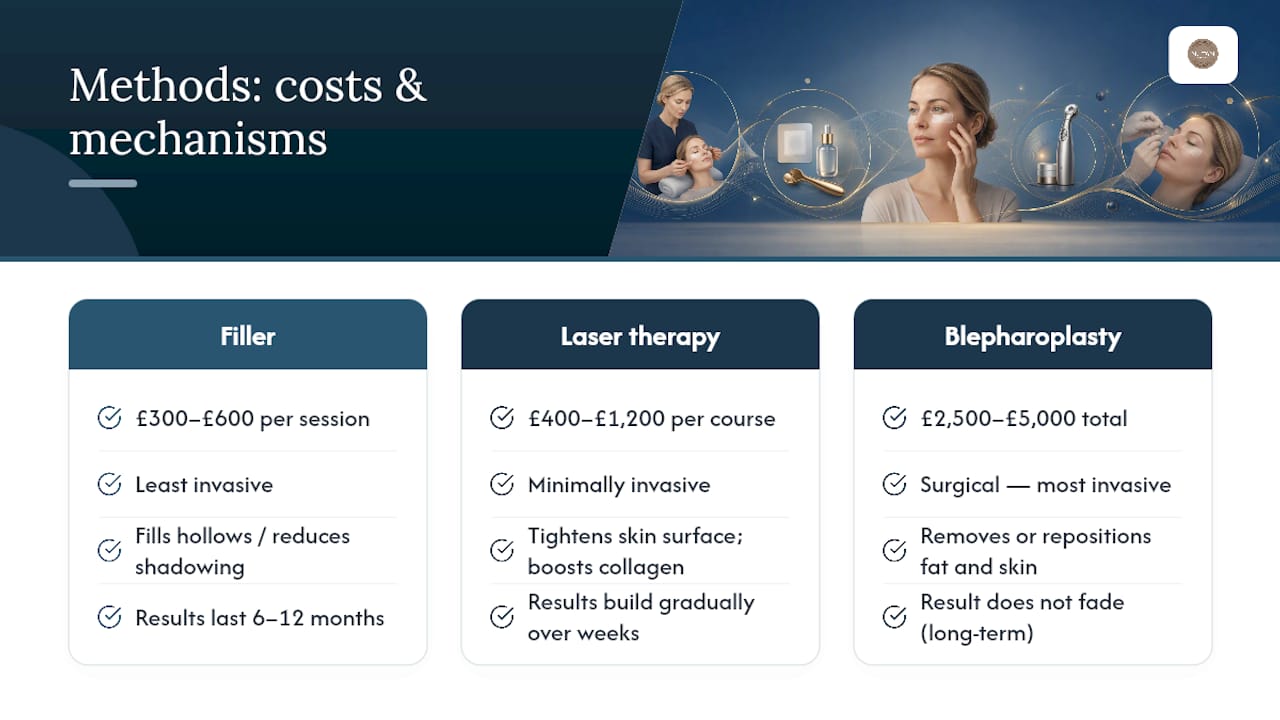
Under-eye filler is the least invasive and cheapest of the three professional routes, typically £300 to £600 per session, with results lasting six to twelve months before a top-up is needed. It suits people with mild hollowing or shadowing rather than significant fat pad bulging.
Laser therapy, priced around £400 to £1,200 across a course, works by tightening the skin’s surface layer and stimulating collagen production over several weeks. It tends to suit people with looser skin rather than pronounced fatty bulges, and results build gradually rather than appearing instantly.
Surgical blepharoplasty, at £2,500 to £5,000, is the only option that physically removes or repositions fat pads and excess skin. It’s the most expensive route by a wide margin, but it’s also the only one offering a result that doesn’t fade over months, which is why many clinics position it as a long-term solution rather than a maintenance treatment. Choosing between the three usually comes down to how structural the bag actually is, not simply how much budget is available.
What makes professional treatment costs vary so much?
Three factors explain most of the price variation you’ll see between UK clinics offering the same nominal treatment.
Clinician expertise is the biggest driver. A consultant ophthalmic surgeon performing blepharoplasty commands significantly higher fees than a general cosmetic practitioner offering filler, reflecting years of additional specialist training and the higher stakes of surgical work around the eye.
Location matters almost as much. Clinics in central London routinely charge more than equivalent practices in smaller UK cities or towns, driven by higher rent, staffing costs, and local demand rather than any difference in treatment quality.
Clinic reputation and accreditation also shift pricing. Practices registered with recognised UK regulatory bodies and with strong track records tend to charge a premium, but that premium often reflects genuinely lower complication rates and better aftercare support, which matters considerably more for surgical procedures than for topical products.
The type of filler or technology used adds another layer of variation. Premium hyaluronic acid brands and newer laser platforms cost clinics more to stock and maintain, and that cost is passed on to the patient. None of this variation applies to over-the-counter instant-lift products, where price differences come down to formulation and packaging rather than practitioner skill.
Can you get insurance or financing for eye bag removal?
UK private medical insurance almost never covers eye bag treatments of any kind, since bags are classed as cosmetic rather than medically necessary in the vast majority of cases. The one exception is when excess upper eyelid skin genuinely obstructs vision, in which case NHS funding or partial insurance cover may apply, but this is assessed on strict medical criteria and rarely extends to lower eyelid bags.
Most UK clinics offering filler, laser, or surgical blepharoplasty provide their own financing options instead, typically through third-party medical finance providers offering monthly repayment plans over 6 to 24 months. Some clinics also offer package deals combining consultation and treatment costs, or discounts for booking multiple sessions of laser therapy upfront.
For readers weighing up cost, it’s worth remembering that OTC instant-lift products require no financing at all. A £25 tube of NuRejuv or NuEyes represents a one-off cost with an immediate, visible result, compared to a financed professional treatment that may take months to pay off and weeks to show full results. That difference in commitment, not just price, is often the deciding factor for people who want a quick fix rather than a long-term medical intervention.
How long do professional treatments take, and how many sessions do you need?
Session count and duration vary considerably by treatment type, and this affects total cost as much as the headline price per session.
Under-eye filler is typically a single appointment lasting 30 to 45 minutes, with results visible almost immediately and lasting six to twelve months before a repeat session is needed. Laser therapy for under-eye bags usually requires a course of three to six sessions, spaced two to four weeks apart, with each session lasting around 20 to 30 minutes. Full results from laser treatment build gradually over the weeks following the final session, as collagen production continues.
Surgical blepharoplasty is a single procedure, typically lasting one to two hours under local anaesthetic with sedation, though it involves a longer overall timeline once you include pre-surgical consultation and post-surgical recovery checks. Unlike filler or laser, it isn’t repeated on a routine schedule since the physical tissue changes made are intended to be permanent.
This is where the contrast with OTC products is starkest. An instant-lift serum or cream delivers a visible result within minutes of application every single time you use it, with no appointment, no course of sessions, and no waiting weeks for cumulative results to appear.
What are the risks and recovery times for professional procedures?
Every professional treatment carries some risk, and recovery expectations differ sharply by procedure.
Under-eye filler carries risks of bruising, swelling, and in rare cases, vascular occlusion if the filler is injected incorrectly near a blood vessel. Recovery is minimal, with most bruising settling within a week and normal activities resumable almost immediately.
Laser therapy risks include temporary redness, mild swelling, and, less commonly, pigmentation changes in the treated skin. Recovery between sessions is generally short, a few days of redness at most, though results take weeks to fully develop.
Surgical blepharoplasty carries the highest risk profile of the three, including infection, scarring, dry eyes, and in rare cases, changes to eyelid position or function. Recovery typically takes one to two weeks before returning to normal activities, with full healing and final results visible after several months. Bruising and swelling are expected in the first fortnight, and stitches, where used, are usually removed within a week.
None of these risks apply to OTC instant-lift products, which is precisely why they remain the first port of call for anyone wanting a quick, low-commitment improvement before considering anything more invasive.
Getting ready for a big event: what I’ve learned about timing
There’s a particular kind of pre-event panic that comes from looking in the mirror the morning of a wedding, interview or big night out and seeing puffiness that wasn’t there the day before. The lesson worth passing on is simple: timing beats panic-buying. NuTan’s own application guidance is consistent on this point, cooling the product genuinely improves the immediate result, and applying it 15 to 20 minutes before you need to look your best gives film-forming ingredients time to properly set. Keep the tube in the fridge door, not the bathroom cabinet, and you’ll get a noticeably better result on the morning that actually matters.
— NuTan
Ready to try an instant-lift option that works in minutes?
If you’ve read this far weighing up a £400 laser course against a £25 tube, here’s the practical difference: NuRejuv and NuEyes give you a visible result today, with no appointment, no course of sessions, and no recovery time to plan around. NuRejuv Instant Lift Eye Cream is designed to visibly reduce the appearance of eye bags in under three minutes, while NuEyes Instant Eye Lift Serum targets fine lines and puffiness in around two minutes, making either one a genuinely quick fix rather than a gradual promise.
Both products come with clear application guidance covering amount, timing and the cooling trick that boosts results, so you’re not guessing at technique once the tube arrives. NuTan ships across the UK with worldwide delivery options also available for anyone ordering from further afield. If you want the instant lift without the clinic price tag, browse the NuEyes Rejuvenating Eye Serum and add it to your routine ahead of your next big day, event, or simply a morning you’d rather not look tired for.
Sources
FAQ
How much does eye bag removal cost in the UK for OTC products?
Over-the-counter instant-lift eye products in the UK typically cost between £5 and £60, with most effective mid-range options, including NuRejuv and NuEyes, priced between £20 and £60.
How quickly do instant-lift eye creams work?
Most instant-lift formulas show visible tightening within two to three minutes of application, with the effect typically lasting four to eight hours.
Can I use an instant-lift product every day?
Yes, most caffeine and film-forming instant-lift formulas are designed for daily use, though it’s worth patch testing first and avoiding daytime use alongside retinoid products.
Do instant-lift products work on structural eye bags?
Topical products work best on puffiness caused by fluid retention rather than structural bags caused by fat pad shifts, which typically need professional treatment for a lasting change.
Is under-eye filler covered by UK insurance?
No, under-eye filler and other eye bag treatments are classed as cosmetic and are not covered by standard UK private medical insurance in almost all cases.
Recommended
Comments