

3 Dentist Backed Fixes Tea Drinkers Use to Remove Tea Stains Safely
- 52 minutes ago
- 6 min read
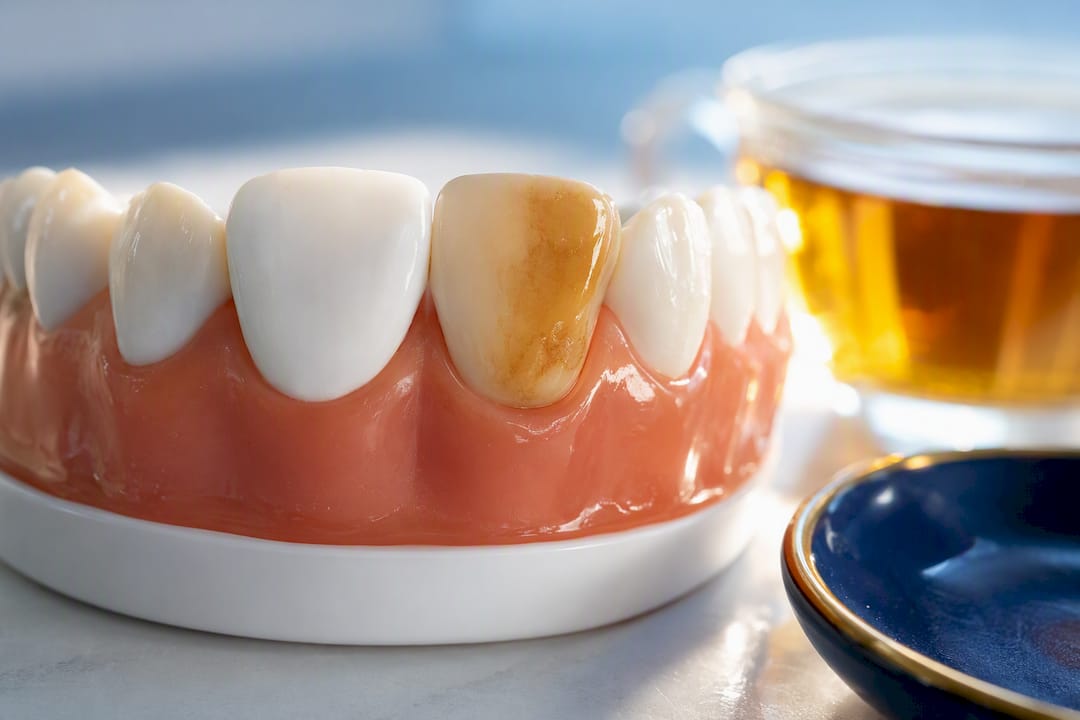
Most tea stains are removable. Rinse with water straight after your cup, keep up daily brushing and flossing, and book a hygienist visit if staining persists. Tea marks are usually surface level, not baked into the tooth, so the fix is almost always simpler than people expect.
TL;DR:
Rinsing with water immediately after drinking tea can significantly reduce tannin binding and prevent surface staining on teeth.
Adding milk to tea introduces casein, which has been shown to lessen the tea’s ability to stain enamel, making it an effective preventative measure.
Gentle, regular at-home whitening methods like whitening toothpaste and baking soda are effective for surface stains when used with care and proper technique.
Persistent or long-standing stains that do not respond to home care should be evaluated by a dentist for professional cleaning or bleaching procedures.
Avoiding continuous sipping and using a straw for iced tea can minimize stain buildup, especially for those with sensitive or prone-to-staining teeth.
Table of Contents
What causes tea stains on teeth?
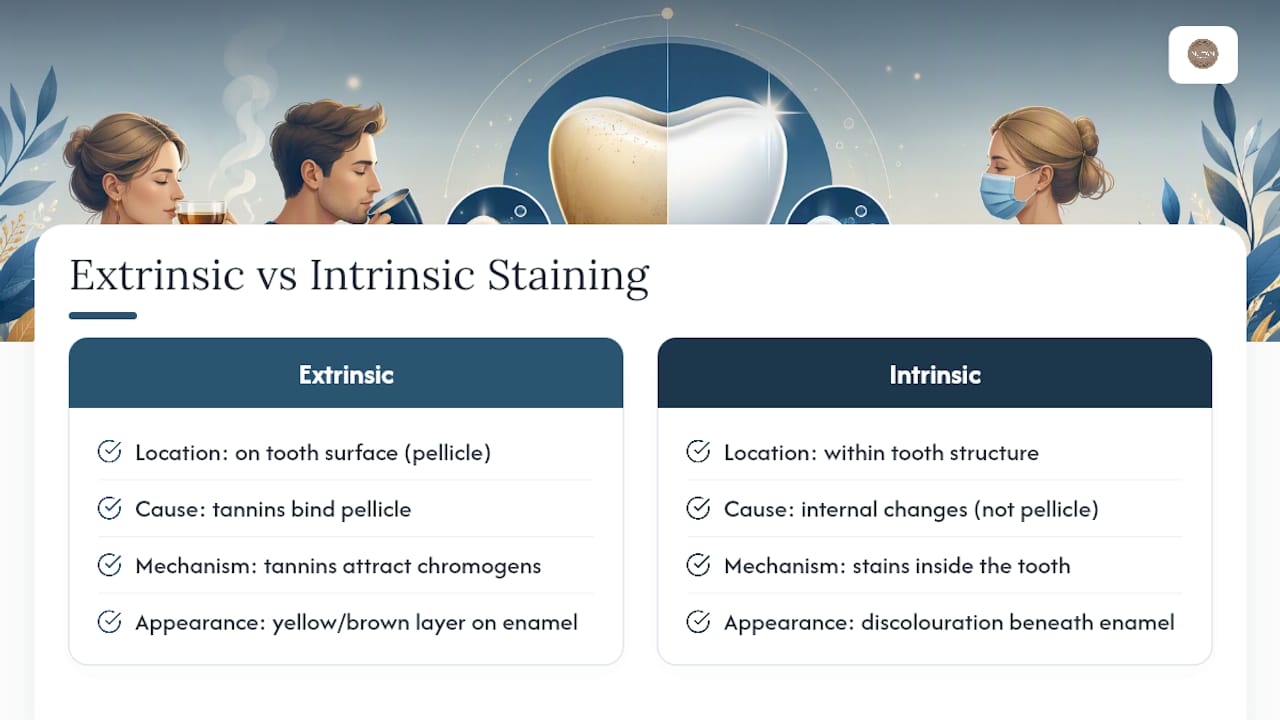
Tea contains tannins, plant compounds that bind readily to the thin protein film (the pellicle) that coats every tooth. Once bound, tannins attract chromogens, the pigmented molecules that give tea its colour, and together they build up as a yellow or brown layer on the enamel surface.
This is what dentists call extrinsic staining, meaning the discolouration sits on top of the tooth rather than inside it. Extrinsic stains respond well to cleaning and whitening. Intrinsic staining, by contrast, sits within the tooth structure itself and needs a professional assessment before any treatment is attempted.
Not all tea stains are equal. Black tea carries the highest tannin content and stains the most, followed by green and white tea. Steeping time matters too: a strong, long-brewed cup will mark teeth faster than a light one.
How can you prevent tea stains building up?
Prevention costs you nothing and does most of the heavy lifting. A few consistent habits keep tannins from ever getting a proper grip on your enamel.
Rinse your mouth with water or swill it around straight after finishing your tea.
Chew sugar-free gum afterwards. It stimulates saliva, which naturally helps clear residue from the tooth surface.
Add milk to your tea. Milk protein casein significantly reduces tea’s ability to stain teeth, based on laboratory testing of tooth colour change.
Choose lighter brews or lower-tannin varieties such as green or white tea when you can.
Avoid sipping tea continuously through the day; use a straw for iced versions.
Wait an appropriate time before brushing after any acidic drink, since enamel is temporarily softened straight after.
Stick to twice-daily brushing and daily flossing, ideally with an electric toothbrush for a more thorough clean.
Pro Tip: If you can’t face giving up your afternoon brew, keep a small bottle of water at your desk. A quick rinse takes seconds and stops tannins settling in before they’ve had a chance to bond.
What are safe at-home methods to remove tea stains?
Home removal works best when it’s gentle and consistent rather than aggressive and occasional. Here’s a sensible order of operations:
Whitening toothpaste, used one to two times a week rather than daily, followed by a standard fluoride toothpaste to remineralise enamel afterwards.
Baking soda, used sparingly as a mild abrasive, no more than two to three times weekly and never for longer than a minute or two, always followed by fluoride toothpaste.
Over-the-counter strips and home kits, applied exactly to the manufacturer’s timing and frequency, with sensitivity monitored closely.
Laboratory comparisons back up the “gentle first” approach. One in vitro study found that a commercial peroxide and abrasive whitening paste produced a bigger colour change on tea-stained enamel than a papain-based enzymatic dentifrice, though the enzymatic formula appeared gentler on the tooth surface. That trade-off, more power against more comfort, is worth weighing against how sensitive your teeth already are.
Steer clear of activated charcoal and acidic fruit pastes as primary stain removers. Both are popular online, both are abrasive or acidic enough to wear enamel over time, and neither has the evidence base that peroxide or enzymatic products do. A sensible routine looks like this: rinse, wait, then apply your chosen product exactly as directed. If sensitivity creeps in, stop and reassess before continuing.
[
When should you see a dentist about tea stains?
Persistent staining that doesn’t budge with home care is the clearest signal to book a hygienist appointment. Professional cleaning removes surface stains and tartar mechanically, which is often the single most effective first step for anyone who’s tried the basics without success.
For deeper or long-standing discolouration, dentists offer two further routes:
In-office bleaching using hydrogen peroxide, carried out under supervision with sensitivity managed throughout the appointment.
Dentist-supervised take-home trays, which use a lower-strength gel over a longer period and let you control comfort at home.
Laboratory research adds an interesting wrinkle here. One study found that combining oxalic acid and sodium hypochlorite before applying a bleaching gel produced greater correction of tea-induced discolouration than bleaching gel alone. The authors were careful to note this was tested on extracted teeth in a lab, not in a clinical setting, so it shouldn’t be read as a green light to try similar combinations yourself.
Aftercare matters as much as the treatment. Occasional touch-ups, a lighter hand with strong tea in the days after whitening, and regular hygiene visits every six months keep results looking sharp for longer. If you’ve just finished a whitening course, protecting your new shade with a short white diet makes a genuine difference to how long it lasts.
What does the evidence actually say?
The strongest, most consistent finding across the research is a simple one: milk works. Casein binds tannins before they get the chance to settle on enamel, which is about as low-effort a prevention method as dentistry offers.
Lab testing found casein “significantly reduced” tea-induced staining compared with tea alone, giving habitual tea drinkers a genuinely evidence-backed reason to add milk rather than drink it black.
The NHS is equally clear on the other side of this equation: it advises checking suitability with a dental professional before whitening and flags sensitivity and gum irritation as recognised side effects. Combine that caution with the enamel-softening risk after acidic drinks, and the safety picture is consistent throughout every method discussed here.
Our take on realistic tea stain removal
Nobody should have to choose between enjoying tea and keeping a bright smile. In our view, the honest answer is maintenance, not miracle cures: a rinse after your cup, a sensible whitening routine once or twice a week, and patience, since most improvement builds gradually rather than overnight.
Stubborn or intrinsic staining is where we’d always point you towards a dentist rather than a stronger DIY attempt. Home care handles the surface; a professional handles anything that doesn’t respond to it.
— NuTan
NuTan products that fit a tea-safe whitening routine
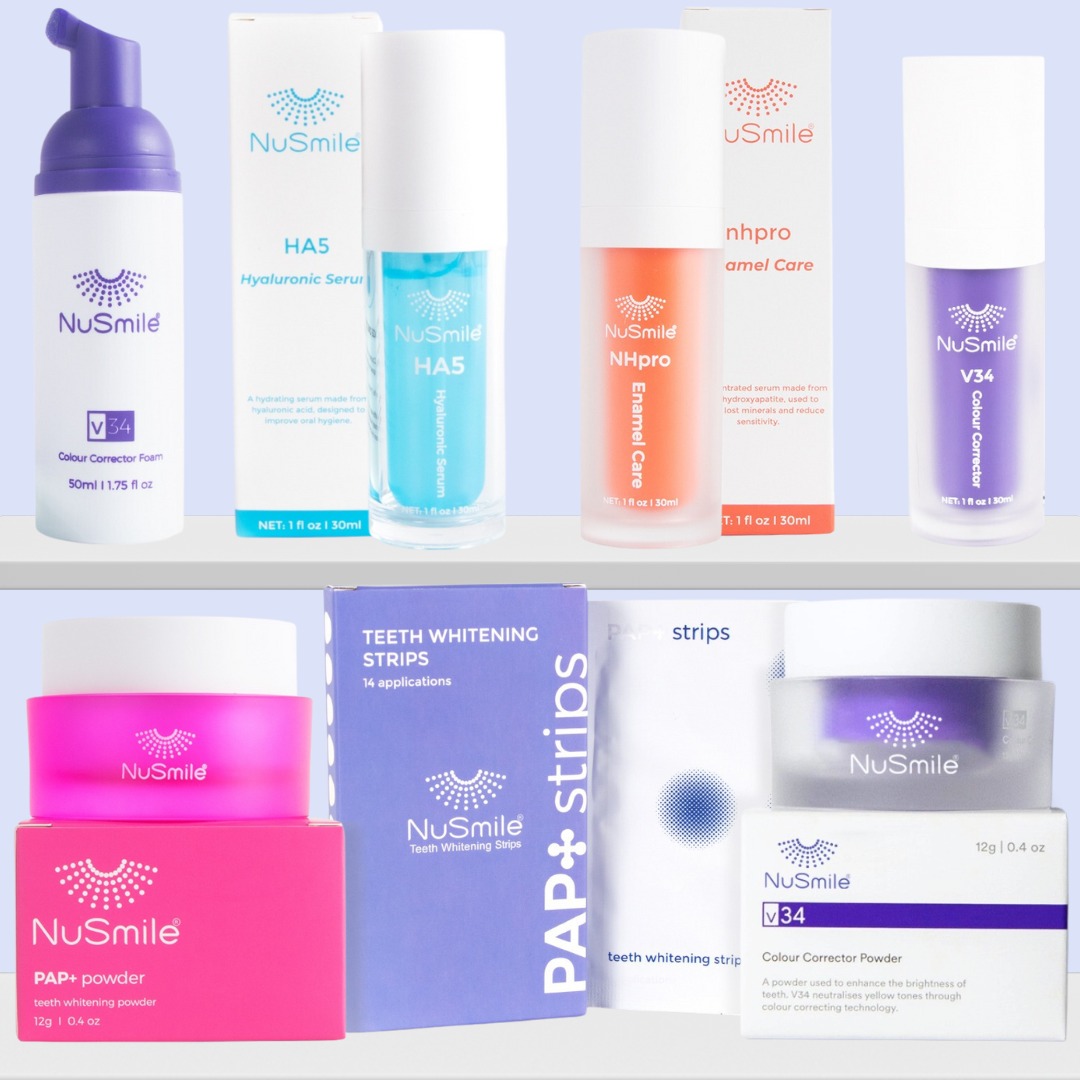
If you’re after an at-home option that slots neatly into the habits above, NuTan’s oral care range covers most of what a tea drinker needs. The Pap+ Teeth Whitening Powder uses a gentler, enzymatic approach, well suited to regular use without the sensitivity that stronger peroxide formulas can bring.

For deeper colour correction, the NuSmile V34 Teeth Colour Correcting Gel targets more established surface staining, while the NuSmile home whitening kit gives you a complete, dentist-guided routine to follow at home rather than piecing together separate products. Whichever you choose, follow the instructions on frequency and duration closely, and check with a dentist first if you already deal with sensitivity or suspect any staining is intrinsic. Head to the NuSmile home whitening kit page to see which option matches your current routine and order one that fits your tea habit rather than fighting it.
Sources
This article is general information, not a substitute for advice from a qualified doctor. Consult a qualified healthcare professional about your own circumstances before acting on anything here.
FAQ
Is it possible to remove tea stains from teeth?
Yes. Most tea staining sits on the enamel surface rather than inside the tooth, so it usually responds well to whitening toothpaste, professional cleaning, or bleaching.
How do you remove tannin stains from teeth?
Rinse promptly after tea, use a whitening toothpaste a few times a week, and book a hygienist cleaning for stains that don’t shift with home care alone.
How do tea drinkers keep their teeth white?
Adding milk to tea, rinsing after each cup, avoiding all-day sipping, and keeping up regular brushing and hygienist visits are the habits that make the biggest difference.
Is tea staining permanent?
No, not in most cases. Extrinsic tea stains are removable with consistent care; only intrinsic staining, which is far less common, may need specialist dental treatment to address.
Recommended
Comments