

Stop Whitening Strips Sensitivity in 48 Hours With Gentler Formulas
- 1 day ago
- 7 min read
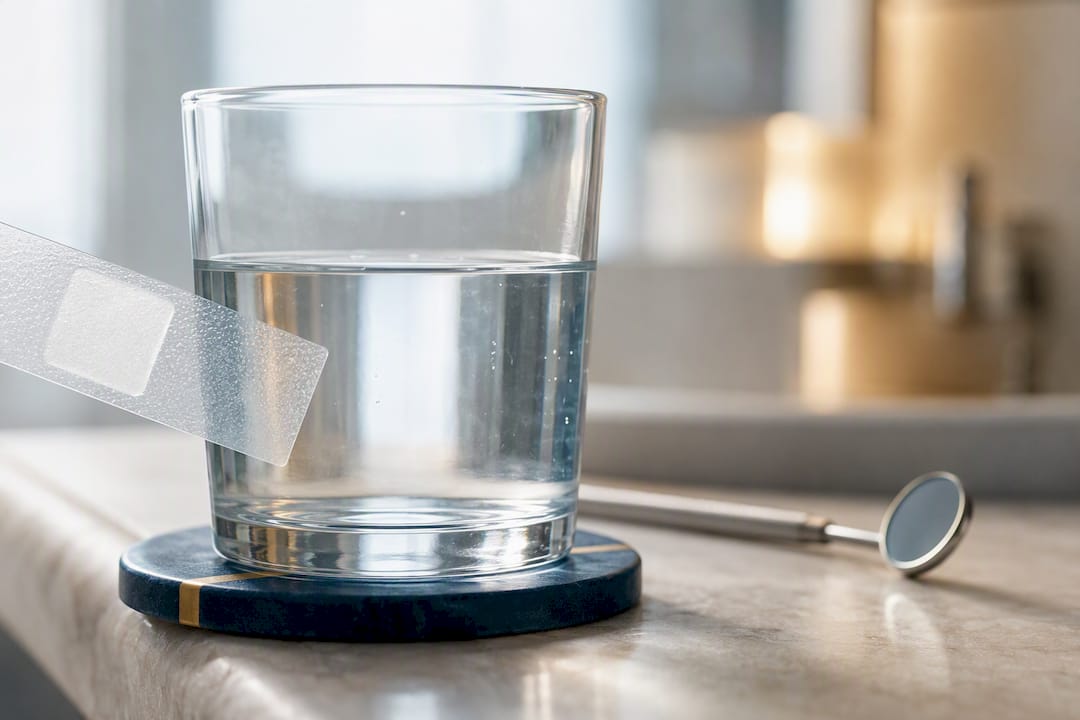
Yes, whitening strips commonly cause temporary tooth sensitivity, and it is usually manageable. Peroxide is nearly always the trigger, and the discomfort tends to fade once your teeth adjust or you pause treatment. If sensitivity strikes, stop the strips, switch to a potassium nitrate toothpaste, and see a dentist if the pain is severe or does not settle within a few days.
TL;DR:
Sensitivity from whitening strips usually lasts only 24 to 48 hours and often improves with temporary discontinuation of treatment.
Lower peroxide concentrations, shorter wear times, and the use of desensitizing toothpaste before starting can significantly reduce discomfort.
Using strips with added desensitizers, like potassium nitrate, leads to similar whitening results with less sensory irritation.
Severe, ongoing pain, visible enamel damage, or swelling require immediate dental evaluation rather than continued use of whitening products.
Pausing treatments, switching to gentle formulations, and following proper application tips are essential for managing tooth sensitivity effectively.
Table of Contents
Why whitening strips can make teeth sensitive
Whitening strips work because hydrogen peroxide or carbamide peroxide is small enough to pass straight through enamel into the dentine underneath. That is the whole point of the product. It is also why sensitivity happens.
Dentine is riddled with microscopic channels called tubules, each one connected to a nerve inside the tooth. When peroxide diffuses through enamel and reaches these tubules, it can irritate the nerve fibres and trigger a short burst of inflammation. A PMC review on tooth whitening describes this diffusion process directly, noting that many at-home whitening users report some transient sensitivity. Research published in the Journal of the American Dental Association explains the mechanism further: peroxide’s low molecular weight lets it cause oxidative stress in the pulp, which sensitises the nerve endings that register hot, cold, and pressure.
Not everyone reacts the same way, though. Several product and habit factors push the risk up or down:
Peroxide concentration. Higher percentages whiten faster but flood the dentine with more oxidising agent.
Wear time. Leaving a strip on longer than instructed increases exposure without necessarily improving results.
Frequency. Back to back daily use gives your teeth no recovery window between applications.
Gum contact. Peroxide touching soft tissue can cause its own irritation, separate from tooth sensitivity.
Existing enamel loss. Thinner enamel from erosion, grinding, or gum recession exposes dentine tubules more directly, so sensitivity often strikes harder and sooner.
How long does sensitivity from whitening strips last?
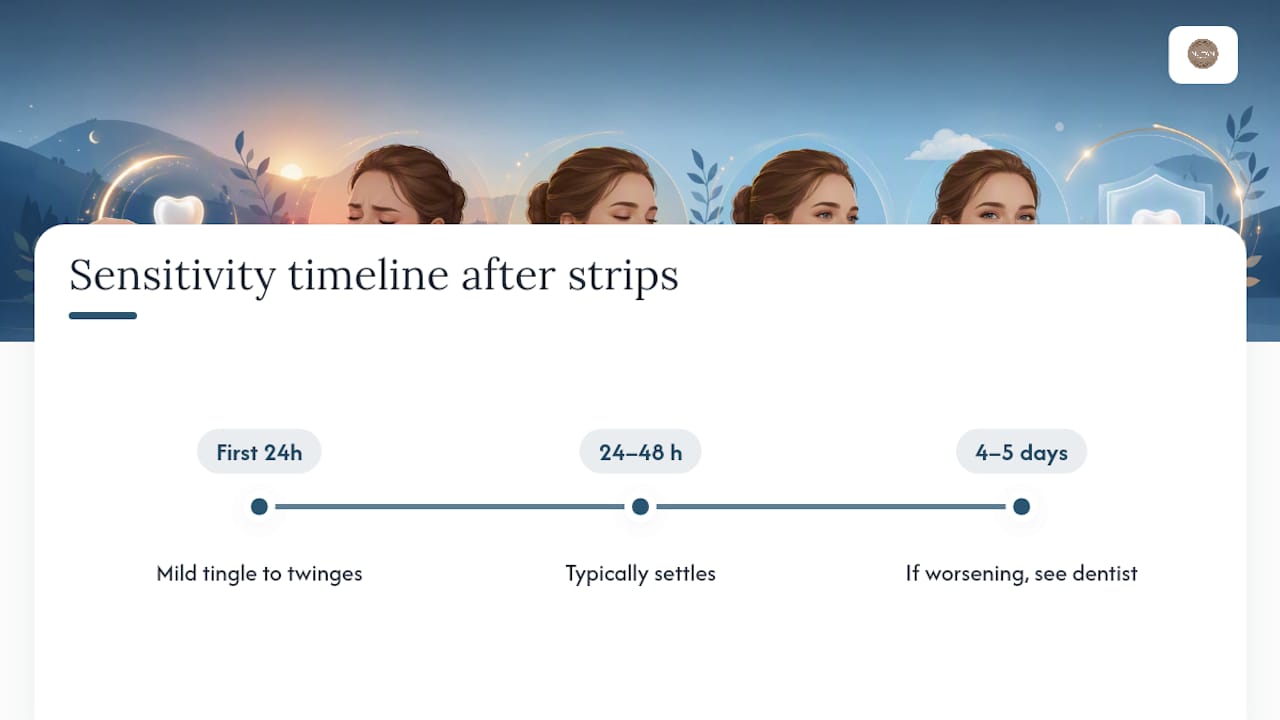
Sensitivity from whitening strips is usually short-lived. NHS guidance describes it as a common, temporary side effect that typically settles within 24 to 48 hours once treatment stops or the mouth adjusts to the peroxide exposure.
Some people feel nothing beyond a mild tingle; others notice sharp twinges with cold drinks for a day or two. What stretches that timeline out is usually repeated exposure without a break, pre-existing dentine hypersensitivity, or gum recession that was already present before whitening started. If discomfort is still building rather than easing off after four or five days, that pattern is unusual enough to warrant a proper look from a dentist rather than more waiting.
Step-by-step prevention and management strategies
Most sensitivity is avoidable with a bit of planning before you open the box, not just damage control afterwards.
Choose a lower-peroxide or sensitivity-formulated strip. Look on the packaging for potassium nitrate or hydroxyapatite listed among the active ingredients; these are the two agents most consistently linked to lower reported sensitivity.
Start with a shorter wear time. Try the minimum recommended duration on day one rather than the maximum, and treat one side of your mouth as a test patch if you have a history of sensitive teeth.
Begin desensitising toothpaste early. Switch to a potassium nitrate and fluoride toothpaste around two weeks before starting strips, since research on desensitising toothpastes shows these ingredients need time to build up a protective effect on the nerve, not just mask pain in the moment.
Dry your teeth before application. Excess saliva stops the strip gel from making full contact, which can cause seepage onto gums and uneven whitening.
Press strips firmly along the gumline. Good contact reduces the chance of gel migrating onto soft tissue, which is a separate irritation from tooth sensitivity but often confused with it.
Space out sessions. Give your teeth a rest day between applications rather than whitening on consecutive days, especially in the first week.
Pause immediately if sensitivity appears. Stop the course, take a short-term analgesic if needed for comfort, and only resume once discomfort has fully settled, and then only with a shorter wear time.
Pro Tip: Keep a simple sensitivity diary for the first week, noting the strip, wear time, and any discomfort. It takes thirty seconds a day and makes it obvious whether you are reacting to concentration, duration, or something else entirely.
Gentler formulation evidence and what NuTan® recommends
The idea that gentler ingredients can whiten just as well as harsher ones is not marketing spin, it is trial data. A 2025 randomised, double-blind controlled trial compared strips containing 3% hydrogen peroxide plus 1.5% potassium nitrate against plain 3% hydrogen peroxide strips over 28 days. The whitening results were similar between groups, but the potassium nitrate strips produced lower sensitivity scores at several points during the study. That is a meaningful finding: you do not necessarily have to trade comfort for a lighter smile.
When you are checking a box of strips, two things on the label matter more than the brand name: the peroxide percentage and whether a desensitiser is mentioned at all. If neither is listed clearly, treat that as a gap, not a reassurance.
Some brands offer a range built around this exact trade-off, alongside aftercare guidance for the days that follow:
The Pap+ Teeth Whitening Strips use a different active approach for those wanting an alternative to standard peroxide strips.
The NuSmile guide to gentler home whitening walks through combining strips with desensitising products.
The 48 hour post-whitening care guide covers what to eat and avoid immediately after a session, which matters more than most people expect.
When to stop whitening and see a dentist
Mild tingling that fades within a day or two is ordinary. Severe or worsening pain, visible swelling, sensitivity that persists beyond a few days, or spots that look chalky or damaged on the enamel surface are not, and they call for a dentist rather than another box of strips.
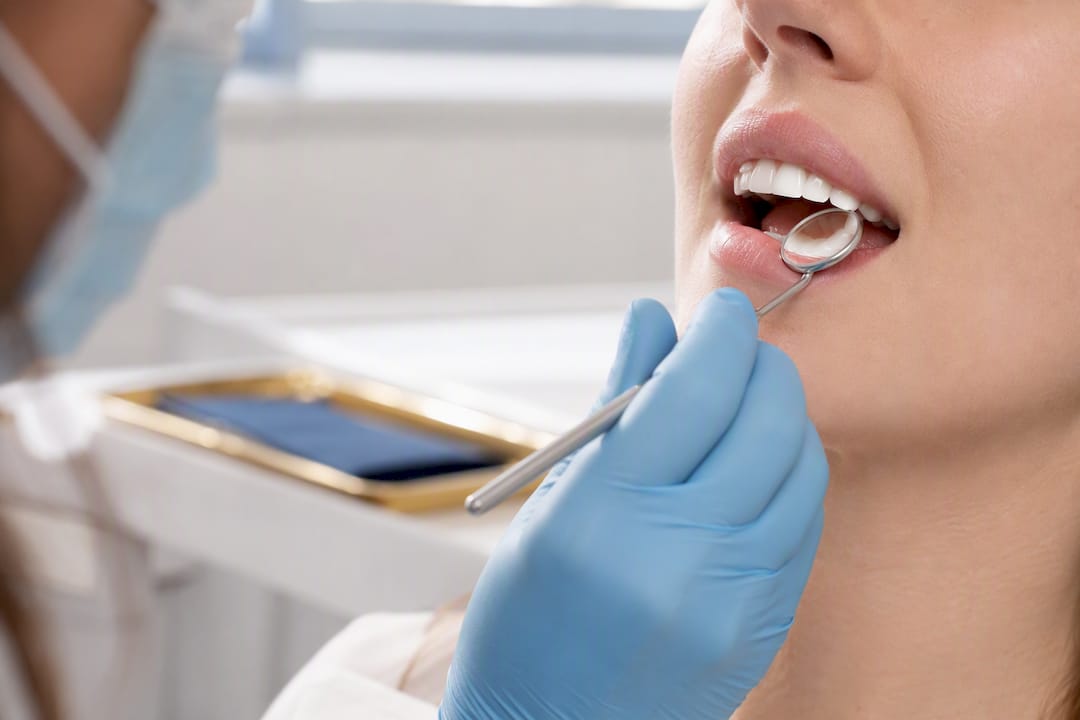
A dentist will typically examine the affected teeth, check for underlying decay or gum recession that whitening simply exposed rather than caused, and may apply fluoride varnish to calm the nerve response. Bring a short note of when symptoms started, which product you used, and how long each application lasted. A dental clinic overview of sensitivity causes covers useful background questions worth raising at that appointment.
NuTan®'s perspective: prioritising comfort while whitening
Whitening should never mean gritting your teeth through days of discomfort to get there. Certain whitening ranges are built around that principle, favouring formulations and clear usage guidance over sheer peroxide strength as the shortcut to a brighter smile.
Comfort and results are not opposing goals. The evidence on potassium nitrate strips backs that up plainly, and it shapes how NuTan® talks about home whitening. Our aftercare content exists so a strip is never the end of the conversation, and if sensitivity does not settle in a reasonable time, a dental professional should always have the final word, not a product label.
— NuTan
Whiten gently with strips built for sensitive teeth
If sensitivity has put you off whitening strips altogether, the fix is often the formulation, not the method. Some whitening strips are designed around lower irritation without giving up on visible results, so you are not choosing between a brighter smile and a comfortable one.
The NuSmile V34 Whitening Strips are built with this balance in mind, and the Pap+ Teeth Whitening Strips offer a different route to the same outcome if you prefer to avoid standard peroxide gel altogether. Whichever you choose, follow the wear-time instructions on the pack, and pause the course at the first sign of discomfort rather than pushing through it. Some companies ship their products worldwide, making gentler whitening accessible in many locations. Browse the full NuSmile V34 Whitening Strips listing and pick the option that suits your teeth, not just your timeline.
This article is general information, not a substitute for advice from a qualified doctor. Consult a qualified healthcare professional about your own circumstances before acting on anything here.
Sources
FAQ
Is it normal for whitening strips to make teeth sensitive?
Yes, it is one of the most common side effects of peroxide-based whitening, with reviews suggesting around half of at-home users notice some transient sensitivity during a course.
How long does it take for sensitivity to go away after whitening strips?
Most sensitivity settles within 24 to 48 hours of stopping or reducing treatment, though it can take a few days longer if you have pre-existing dentine exposure.
How do you get rid of sensitive teeth after whitening strips?
Pause the whitening course, switch to a potassium nitrate and fluoride toothpaste, and avoid very hot or cold food and drink until the discomfort settles; a short-term analgesic can help in the meantime.
Are whitening strips supposed to be uncomfortable?
No, mild tingling can happen but ongoing pain is not expected. Choosing strips with potassium nitrate, like those examined in a 2025 randomised controlled trial, has been shown to reduce sensitivity without sacrificing whitening results, and options such as NuTan®'s NuSmile V34 strips follow that same gentler approach.
Recommended
Comments