

How to achieve a deep tan without melanotan
- Jul 28
- 6 min read
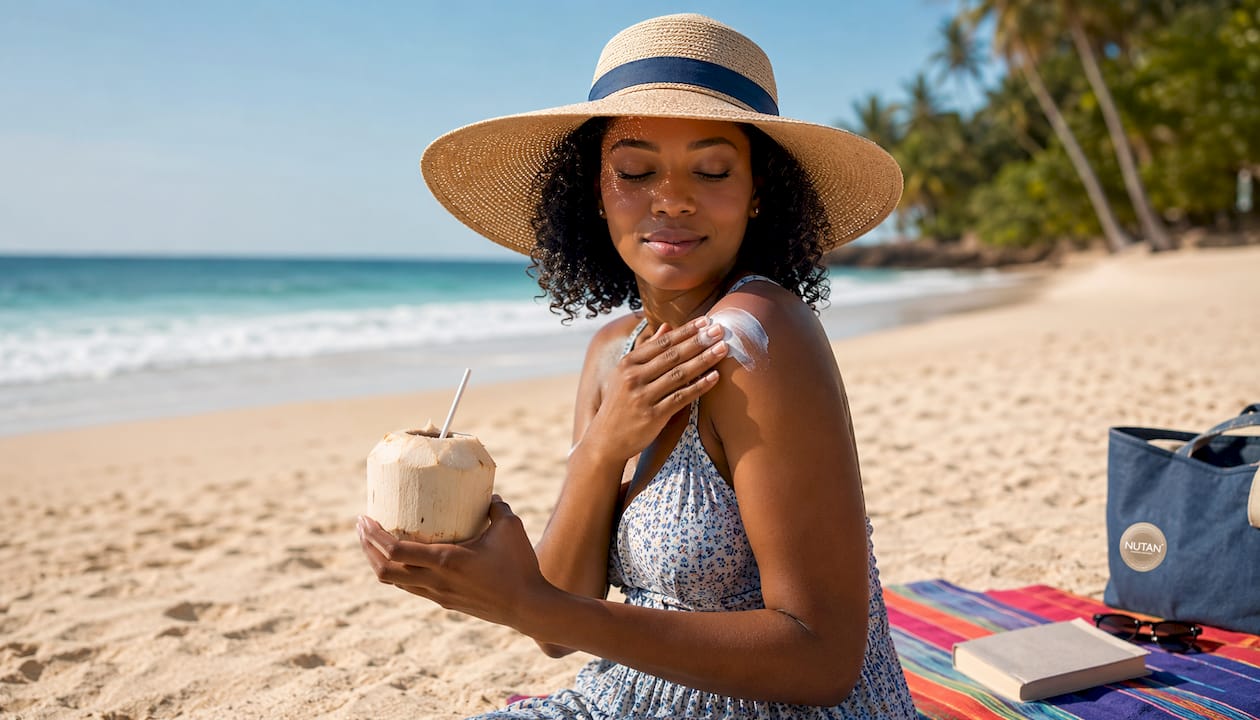
You can achieve a deep, natural-looking tan without melanotan by combining responsible sun exposure, melanin-supporting nutrition, and advanced transdermal tanning technology. Melanotan injections and nasal sprays are illegal in the UK and carry serious health risks, so the methods below focus entirely on safe, effective alternatives that genuinely work.
Here is a quick overview of your safest routes to a golden glow:
Responsible sun exposure with SPF 30+ protection and timed sessions
Melanin-supporting diet rich in beta-carotene foods such as carrots, sweet potatoes, and kale
Spray tans and professional tanning treatments for immediate, UV-free colour
NuTan® transdermal tanning patches, which activate your skin’s natural pigmentation with over 70% less UV exposure than conventional tanning
Consistent skincare habits including exfoliation and moisturising to deepen and prolong any tan
How to speed up safe tanning without melanotan
Tanning faster does not require risky shortcuts. A few well-chosen habits make a real difference to how quickly and evenly your skin develops colour.
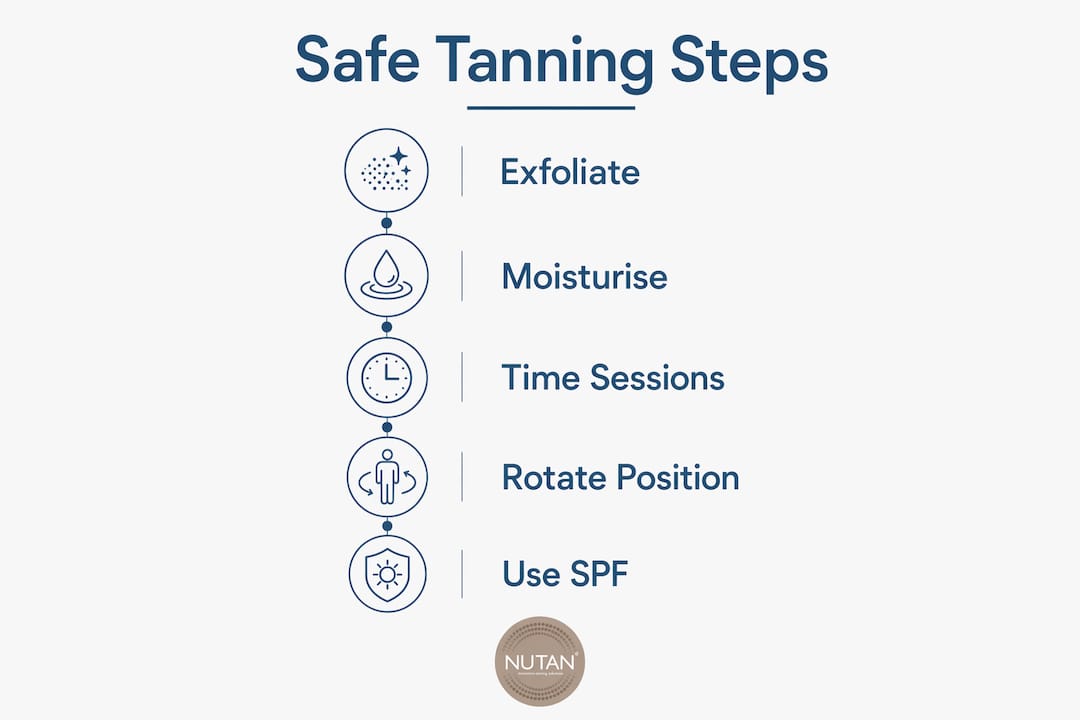
Time your sun exposure wisely. Mid-morning (10AM–12PM) and late afternoon (3PM–5PM) sessions tend to produce good melanin stimulation while avoiding the most intense UV peak hours. Limit sessions to a few hours maximum; beyond that point, skin does not darken further but UV damage continues to accumulate.
Exfoliate before every session. Dead skin cells cause patchy, uneven colour. Removing them the night before gives fresh skin cells a clean surface to develop pigment evenly.
Eat for melanin. Dietary carotenoids like beta-carotene found in carrots, sweet potatoes, spinach, and kale support melanin synthesis from the inside out.
Moisturise daily. Hydrated skin holds colour longer and fades more evenly. Apply a fragrance-free moisturiser morning and evening.
Always wear SPF. SPF 30 or higher allows gradual, safer pigment development by filtering the most harmful UV rays without blocking tanning entirely.
Pro Tip: Rotate your position every 20–30 minutes during sun exposure to develop an even, all-over colour rather than uneven patches on one side.
Why UV tanning carries real risks, and why melanotan is unsafe
A tan is not a sign of healthy skin. Dermatologists confirm that over UV-induced pigmentation signals cellular damage, not wellness. Your skin darkens because it is trying to protect itself from DNA injury caused by ultraviolet radiation.
The longer-term consequences of repeated UV exposure are well documented:
Skin ageing. Regular tanning bed use accelerates wrinkles, sun spots, and loss of skin elasticity compared to unexposed skin.
Skin cancer risk. Cumulative UV exposure causes irreversible damage regardless of how gradual or “controlled” the tanning feels.
DNA damage. Even a light tan reflects skin injury at the cellular level.
Melanotan injections and nasal sprays are unregulated and illegal in the UK. The Medicines and Healthcare products Regulatory Agency (MHRA) has warned against their use since 2007. Clinical trials revealed side effects including nausea, vomiting, drowsiness, and unpredictable changes to moles. Melanotan II has been linked to elevated melanoma risk concerns due to its uncontrolled stimulation of pigment cells. No regulatory body, including the MHRA or the FDA, has approved any melanotan product for human use.
The appeal of melanotan is understandable: it mimics alpha-melanocyte-stimulating hormone to trigger pigmentation. The problem is that it does so without any safety controls, using unverified compounds sold illegally online and in gyms. The risks simply are not worth it when safer, legal alternatives exist.
Spray tans and fake tans as safer cosmetic alternatives
Spray tans and professional tanning treatments offer immediate, UV-free colour without any of the health risks associated with UV exposure or melanotan. They are a practical choice for anyone who wants a confident bronze look for an event or holiday without spending hours in the sun.
Immediate results. A professional spray tan delivers visible colour within hours, with no waiting for melanin to develop.
No UV exposure required. The colour comes from a cosmetic reaction with the skin’s surface, not from any biological tanning process.
No sun protection provided. Spray tans do not protect against UV damage. If you go outdoors after a spray tan, sunscreen remains essential.
Temporary by nature. Colour fades naturally over several days as skin cells shed. Consistent exfoliation before application and moisturising afterwards extend the result.
Skin preparation matters. Exfoliating the night before any tanning treatment is critical for an even, streak-free finish. Dry, rough patches absorb more product and fade faster.
Spray tans work best as a complement to a broader tanning routine rather than a standalone solution. Pair them with good skincare habits and, if you want a lasting natural tan, consider methods that actually stimulate your skin’s own melanin production.
Essential precautions to protect your skin while tanning
Protecting your skin does not mean giving up on a tan. It means tanning in a way that does not cost you your skin health years down the line.
Use SPF 30+ broad-spectrum sunscreen every session. Apply it 20 minutes before going outside and reapply every two hours. A base tan provides no meaningful UV protection; sunscreen remains non-negotiable.
Take regular shade breaks. Step out of direct sun every 30–45 minutes to reduce cumulative UV burden without interrupting your overall tanning progress.
Keep sessions within the 2–3 hour limit. Exceeding this does not produce a deeper tan; it only increases the risk of burning and long-term skin damage.
Exfoliate and moisturise consistently. Exfoliating two to three times per week removes dead cells that cause patchy fading. Moisturising daily keeps skin supple and colour looking fresh.
Never use tanning beds as a shortcut. Tanning beds emit concentrated UV radiation and carry the same cancer and ageing risks as unprotected sun exposure, often at higher intensity.
NuTan® patches: a safer way to activate your natural tan
NuTan® transdermal tanning patches offer something genuinely different from every other method covered here. Rather than staining the skin or exposing it to UV radiation, the patches work by activating your skin’s own biological tanning process.
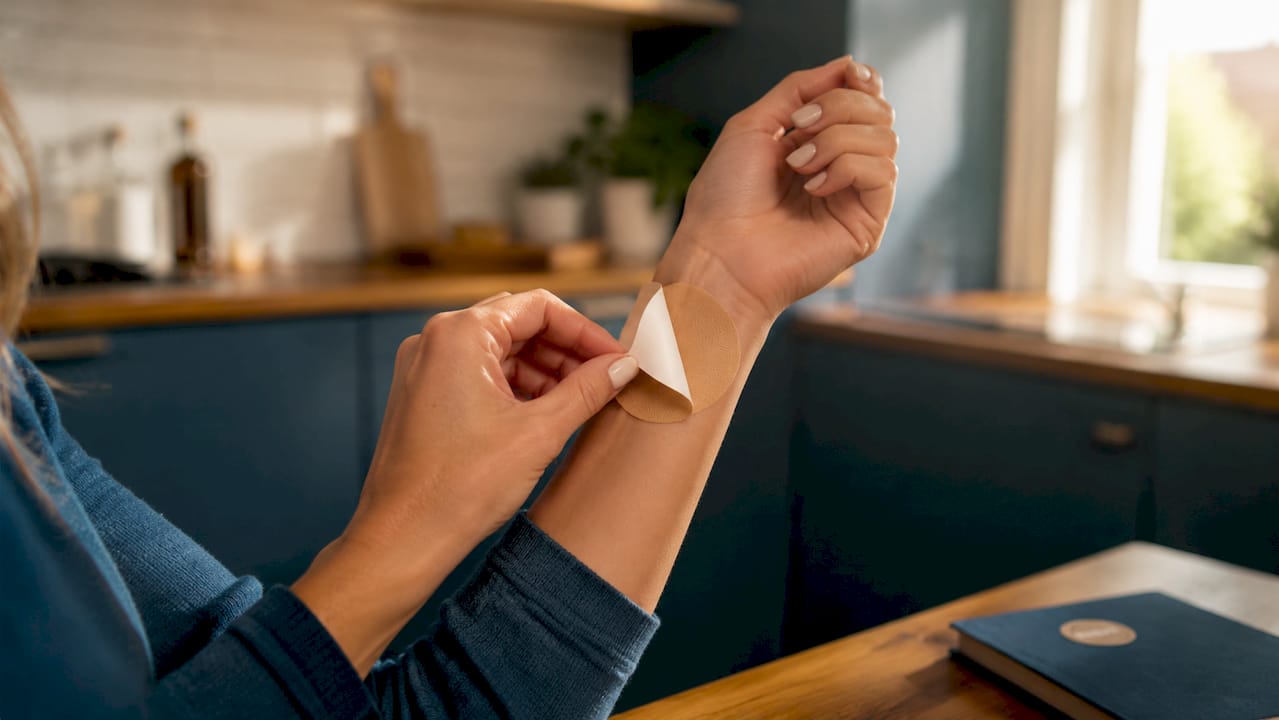
Each patch delivers NuTan®'s proprietary MSH-ComplexB, a formulation based on Beta-melanocyte-stimulating hormone (b-MSH) derived from a natural source. This compound binds to and activates the Melanocortin 1 Receptor (MC1R) on the surface of your melanocytes, the pigment-producing cells in your skin. The result is a genuine increase in melanin production, triggered from within, producing a natural tan with over 70% less UV exposure than conventional tanning methods require.
Key benefits of NuTan® patches at a glance:
Natural pigmentation, not skin staining. The tan develops through your own melanin and does not rub or wash off.
Dramatically reduced UV exposure. You need less than 30% of the sun time required by standard tanning to achieve a comparable depth of colour.
Pain-free and needle-free. Simply apply the patch to clean skin; no injections, no discomfort.
Award-winning formulation. NuTan® patches are a safer, trusted alternative to melanotan injections, with worldwide delivery available.
Complementary skincare range. NuTan® also offers teeth whitening products and the NuRejuv instant lift eye cream, which visibly reduces eye bags in under three minutes.
Pro Tip: Apply your NuTan® patch the evening before planned sun exposure so the b-MSH complex has time to begin activating your MC1R receptors before you step outside. Even a short, low-intensity session in natural daylight can then produce noticeably deeper colour.
Ready to experience a natural, lasting tan with a fraction of the UV exposure? Explore the full NuTan® range, including the standard patch box and the triple strength formula for enhanced results.
Key takeaways
Achieving a deep, natural tan safely without melanotan is entirely possible by combining responsible sun habits, melanin-supporting nutrition, and NuTan® transdermal patches that reduce UV exposure by over 70%.
Point | Details |
Melanotan is illegal and unsafe | Melanotan injections and sprays are unregulated, banned in the UK, and linked to serious health risks including mole changes. |
Limit sun sessions to a safe duration | Longer exposure increases damage without deepening colour; SPF 30+ is essential throughout. |
Diet supports melanin production | Beta-carotene-rich foods such as carrots, sweet potatoes, and kale help support natural pigmentation. |
Exfoliate before any tanning treatment | Removing dead skin cells the night before produces even, longer-lasting colour. |
NuTan® patches need over 70% less UV | The b-MSH formulation activates MC1R receptors to produce a genuine, natural tan with over 70% less sun exposure. |
FAQ
Can you get a deep natural tan without any UV exposure?
A truly natural melanin-based tan requires some UV exposure to trigger pigmentation, but NuTan® transdermal patches allow you to develop a natural tan with over 70% less UV exposure than standard tanning requires. Spray tans and professional tanning treatments provide immediate colour without UV, though these do not involve melanin production.
How do you tan faster naturally?
Time your sessions in the morning or late afternoon, exfoliate the night before, moisturise daily, and eat beta-carotene-rich foods such as carrots and sweet potatoes. These habits support melanin synthesis and help colour develop more evenly and quickly.
Why is melanotan illegal in the UK?
Melanotan injections and nasal sprays have never received regulatory approval from the MHRA or any other health authority. Clinical trials revealed side effects including nausea, vomiting, and unpredictable mole changes, and the MHRA has issued warnings against their use since 2007.
How can you tan without increasing your risk of moles or skin damage?
Use SPF 30+ sunscreen, limit sun sessions to 2–3 hours, take regular shade breaks, and avoid tanning beds entirely. NuTan® patches allow you to develop a natural tan with over 70% less UV exposure, reducing the cumulative radiation burden on your skin.
Does a base tan protect your skin from burning?
No. A base tan provides no meaningful protection against UV damage. Sunscreen remains essential during every sun exposure session, regardless of how tanned your skin already appears.
Recommended
Comments