

Puffy eyes explained: causes and proven ways to fix them
- 11 minutes ago
- 8 min read
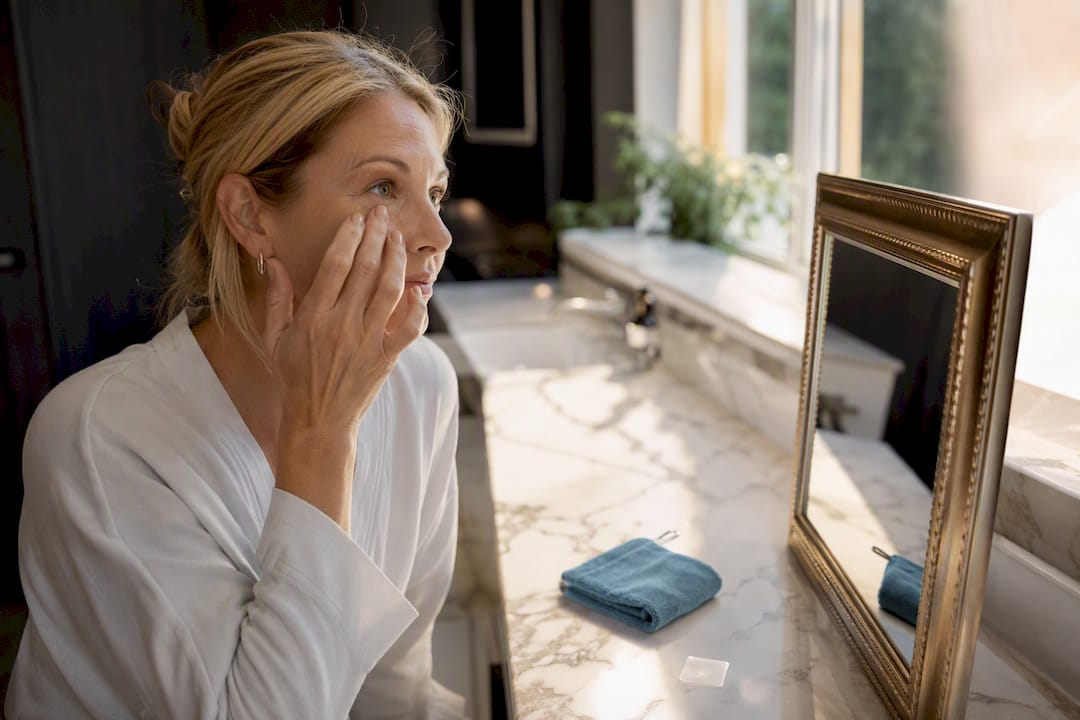
Under-eye puffiness usually comes down to one of five things: ageing tissue that lets fat bulge forward, fluid retention from salt, alcohol or sleep position, allergies, genetics, or straightforward lack of sleep. The fastest fixes work on the fluid, not the structure: a cold compress, sitting upright rather than lying flat, an extra pillow overnight, skipping late salty food and alcohol, and an antihistamine if allergy is the trigger.
Cold compress for a short period, morning and evening
Sleep with your head slightly raised
Cut salt and alcohol in the evening before bed
Try an antihistamine if itching or redness suggests allergy
See a clinician promptly if puffiness comes with vision changes, real pain, spreading redness, or a fever. That points to something other than the usual causes above.
Key Takeaways
Under-eye puffiness has five recognised causes, and matching the right fix to the right cause, rather than reaching for the strongest option available, is what actually works.
Point | Details |
Identify the pattern first | Morning-only puffiness that fades points to fluid retention; constant puffiness points to ageing-related fat herniation. |
Cold and elevation work fast | A 10-minute cold compress plus a slightly raised sleeping position remains the most evidence-backed home fix. |
Avoid off-label topicals | Never apply non-eye medications like haemorrhoid cream near the eyelid; the skin absorbs far more than elsewhere. |
Know your red flags | Vision changes, severe pain, spreading redness, or fever alongside swelling need same-day medical review. |
Use cosmetic adjuncts honestly | NuRejuv Instant Lift Eye Cream can visibly reduce puffiness within minutes as a short-term cosmetic step, not a structural fix. |
Table of Contents
What actually causes eye puffiness?
Ageing is the most common long-term culprit. The skin and muscle around your eyes gradually lose firmness, and the fat pad that normally cushions the eyeball behind the orbital bone starts to push forward against thinning tissue. Mayo Clinic lists this fat herniation alongside fluid retention, allergies, genetics, and lack of sleep as the main drivers. Once fat has herniated, it stays put. No amount of cold compressing shifts it back.
Fluid retention behaves completely differently. It builds overnight because you’re horizontal for hours, and a salty dinner or a couple of glasses of wine makes your body hold onto more water. That’s why puffiness is nearly always worse first thing in the morning and settles somewhat as the day goes on, whereas structural bags from fat herniation look roughly the same from waking to bedtime.
Allergies bring their own pattern: itching, redness, and swelling that flares with pollen, dust, or a new skincare product, often made worse by rubbing. Genetics and ethnicity also shape how thin the under-eye skin is and how visible the fat pad becomes with age, which is why some people notice bags in their twenties while others don’t see them until much later.
A quick way to sort out which one you’re dealing with:
Better by afternoon → likely fluid retention
Same all day, gradually worsening over years → likely fat herniation
Itchy, with redness → likely allergy
One eye only → not typical for ageing or fluid, worth a closer look
Johns Hopkins clinicians make a point of separating temporary fluid oedema from true fat herniation before recommending treatment, because the two respond to entirely different interventions.
When should you see a doctor about puffy eyes?
Most puffiness is harmless and cause-specific. Itching with redness usually means allergy. Bilateral puffiness that’s worse on waking and improves through the day usually means fluid retention. Neither needs urgent attention.
Book a same-week GP appointment if:
Swelling is only on one side, or is spreading
There’s warmth, tenderness, or visible redness over the eyelid
You have a fever alongside eyelid swelling
Seek urgent care the same day if you notice vision changes, severe pain, or rapidly worsening redness. Mayo Clinic flags these as signs that warrant prompt medical evaluation rather than home treatment.
A GP can usually assess straightforward cases and refer on to an ophthalmologist or oculoplastic surgeon when needed. Clinicians will also rule out thyroid eye disease and periorbital cellulitis, both of which can mimic ordinary puffiness in their early stages but need very different treatment.
What are the best home remedies for puffy eyes?
Cold compresses remain the most reliable fluid-based fix, and Mayo Clinic’s own guidance backs applying one for around 10 minutes to constrict local blood vessels and reduce visible swelling.
Wrap a cold compress or chilled spoon in a clean cloth and hold it against closed eyes for 10 minutes.
Sit upright rather than lying down while you do it. Gravity helps fluid drain away rather than pool.
At night, add an extra pillow so your head sits slightly higher than your heart.
Cut salt and alcohol in the evening, and drink water steadily through the day rather than in one late rush.
If allergy is the trigger, remove the irritant where you can and try an over-the-counter antihistamine before reaching for anything stronger.
Johns Hopkins also mentions caffeine, whether from a cooled tea bag or a caffeine-containing eye product, as a mild, short-term vasoconstrictor that can transiently reduce puffiness. Choose eye-specific products rather than anything designed for other parts of the body, and avoid harsh actives like retinoids or strong acids on this skin, which is some of the thinnest on your face. A gentle, fragrance-free formula with sunscreen tends to serve better here than an aggressive anti-ageing routine. Our guide to natural eye bag remedies versus creams breaks down which topical ingredients genuinely help and which are mostly marketing.
Pro Tip: After your cold compress, use two fingers to gently tap (never rub) from the inner corner of the eye outward along the orbital bone. It encourages lymphatic drainage without stressing delicate skin, and it takes seconds once you’ve done a compress.
What medical treatments actually fix under-eye bags?
Once fat herniation has set in, home measures manage appearance rather than reverse it, and this is where clinician-delivered options come in. Each targets a different part of the problem, and knowing the difference matters before you book a consultation.
Hyaluronic acid fillers suit hollowness under the eye rather than true bulging fat, last roughly 6 to 12 months, and carry a real risk of the bluish Tyndall effect or visible overcorrection if overfilled.
Laser resurfacing, chemical peels, and micro-needling with PRP target crepey texture and fine lines rather than the fat pad itself, and tend to suit people whose main complaint is skin quality.
Blepharoplasty, surgical removal or repositioning of the fat pad, offers the most permanent correction for true herniation, with a recovery window typically measured in one to two weeks before bruising and swelling settle.
Nanofat grafting and PRP aim to improve skin quality and volume using the patient’s own tissue, and suit people who want a non-synthetic option with modest, gradual results.
Practitioners increasingly combine approaches rather than relying on one, and worth asking at any consultation: what specific outcome is realistic for your anatomy, what’s the true recovery timeline, and what are the surgeon’s credentials for this exact procedure. The American Academy of Ophthalmology notes that both non-surgical and surgical routes exist depending on cause, and stresses seeing a specialist for anything persistent. Our overview of non-surgical eye lift options covers candidacy in more detail.
“Overfilling may create the Tyndall effect or increase puffiness rather than resolve it,” caution plastic surgery specialists, who emphasise correct diagnosis before any injectable is used near the tear trough.
Safety cautions and common mistakes to avoid
Some viral DIY suggestions, including applying haemorrhoid cream near the eyes, exploit ingredients meant for thick skin elsewhere on the body. Eyelid skin absorbs far more, and stray product in the eye itself can cause real irritation or injury, a caution Johns Hopkins makes explicitly.
Never use non-eye topical medications near the eyelid, however popular the trend
Choose accredited, appropriately qualified practitioners for any injectable or surgical procedure
If a product causes stinging, redness, or swelling, stop immediately and rinse with cool water
Treat any vision change following a product or procedure as an urgent matter
What the clinical evidence actually shows
The distinction between fluid oedema and fat herniation isn’t academic. It decides whether you need a better bedtime routine or a surgical consultation, and getting that wrong wastes time and money on the wrong fix.
Roughly five recognised causes cover most cases: ageing, fluid retention, allergy, genetics, and sleep deprivation, per Mayo Clinic
Cold compresses and head elevation remain the most evidence-backed home measures
Filler overuse and off-label topical products are the two mistakes clinicians flag most often
A brand perspective on managing puffiness safely
Cosmetic concerns around the eyes are common, and rushing to the strongest intervention rarely serves you well. We’d rather point you towards a consultation when structure is involved, and towards sensible daily habits and our application guidance when a short-term cosmetic lift is what you’re after.
— NuTan
Where an instant lift eye cream fits into your routine
There are days when a consultation isn’t the answer, you just need to look less tired before a meeting in twenty minutes. That’s the gap NuRejuv Instant Lift Eye Cream is built for: a fast-acting, tightening formula designed to visibly reduce the look of puffiness and fine lines in as little as three minutes, giving skin a firmer, brighter appearance without needles or downtime.

Apply a small amount with clean fingertips to clean, dry skin around the orbital bone, avoiding direct contact with the eye itself, and pat gently rather than rubbing it in. Full instructions sit on our application guidance page, and it pairs well with the cold-compress routine covered earlier for readers who want both a morning ritual and an instant fix before an event.
Be clear-eyed about what this does: it’s a cosmetic adjunct that works on appearance in the moment, not a treatment for fat herniation, allergy, or fluid retention at their source. If your puffiness is persistent, structural, or comes with any of the warning signs above, book a clinical review rather than relying on a topical product. For everyday smoothing and instant confidence, you can order NuRejuv Instant Lift Eye Cream directly and see whether it earns a permanent spot in your morning routine.
[

Sources
Clinical claims here draw on the NHS, Mayo Clinic, Johns Hopkins Medicine, ASPS, and the American Academy of Ophthalmology.
This article is general information, not a substitute for advice from a qualified doctor. Consult a qualified healthcare professional about your own circumstances before acting on anything here.
FAQ
What is the fastest way to reduce puffy eyes?
A cold compress held against closed eyes for a short time, while sitting upright, gives the quickest visible reduction because it constricts blood vessels and helps drain overnight fluid.
How do you reduce puffy eyes in five minutes?
Combine a chilled compress with gentle tapping massage from the inner to outer corner, or apply a fast-acting cosmetic product like NuRejuv Instant Lift Eye Cream, which is designed to show visible tightening within around three minutes.
What is the best eye puffiness reducer?
For fluid-related puffiness, cold compresses and caffeine-based topical products offer the best evidence-backed short-term results; for structural bags caused by fat herniation, only clinician-delivered options like blepharoplasty offer a permanent fix.
How do you fix eye bags quickly?
A short period of cold compressing is enough to visibly reduce fluid-related swelling, though true fat herniation won’t respond to any home measure in that timeframe and needs a clinical consultation instead.
What causes eye bags to suddenly get worse?
A salty meal, alcohol the night before, poor sleep, or a new allergen are the usual triggers for a sudden flare, since all four increase fluid retention or inflammation around the eye.
Recommended
Comments